2014年4月29日火曜日

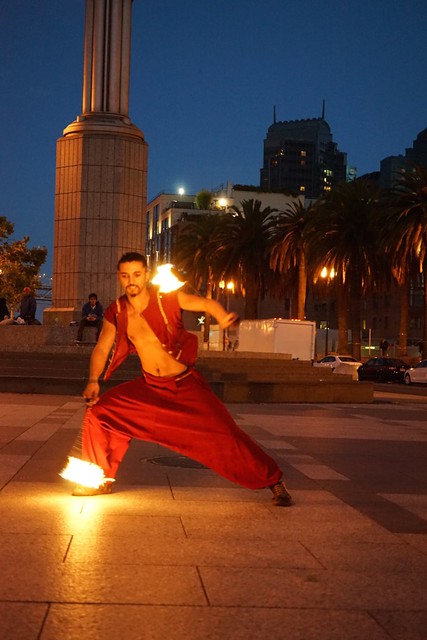
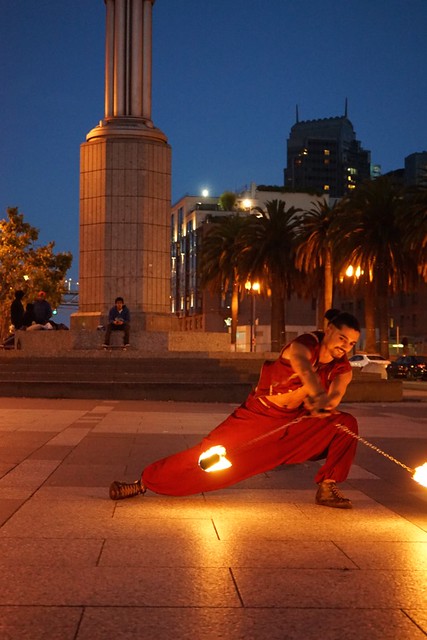
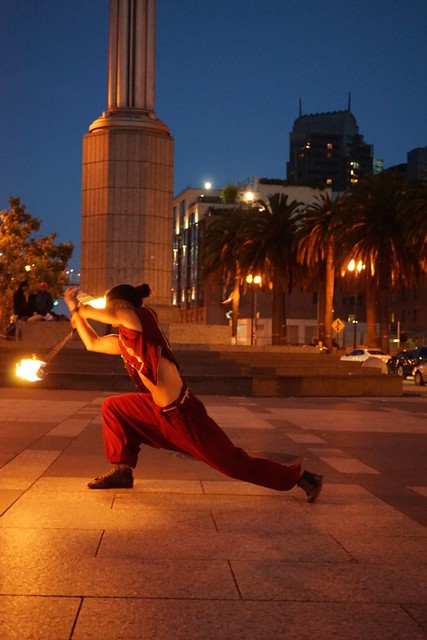
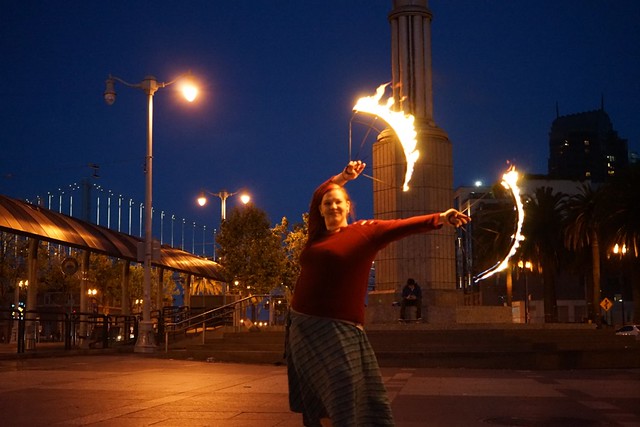
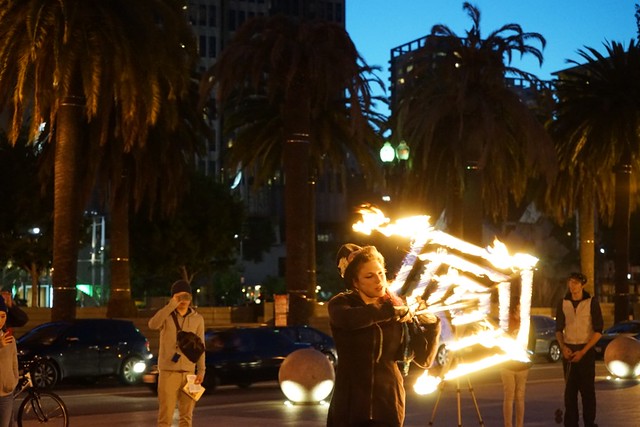
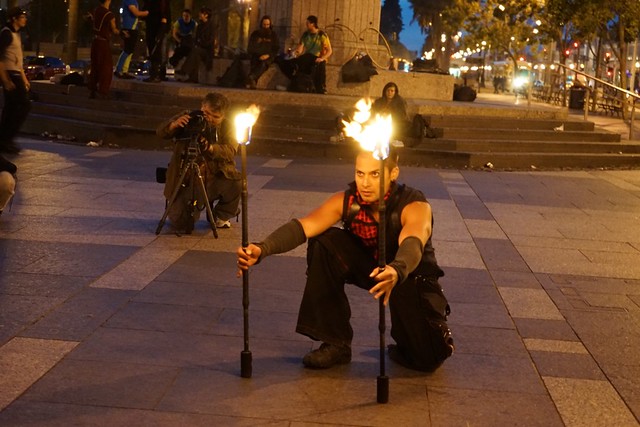
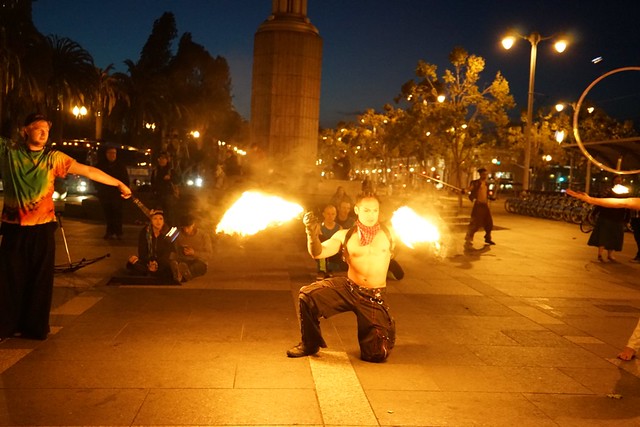
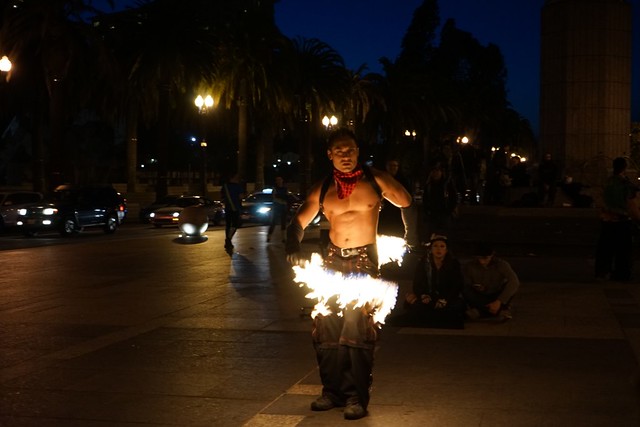
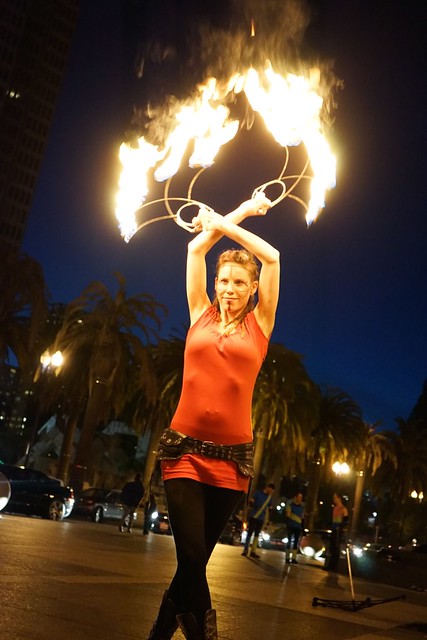
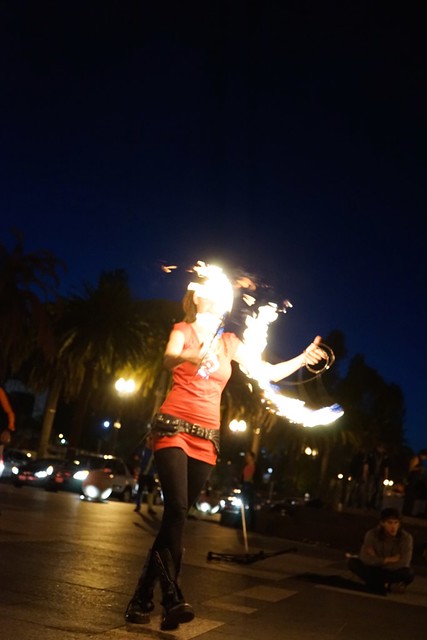
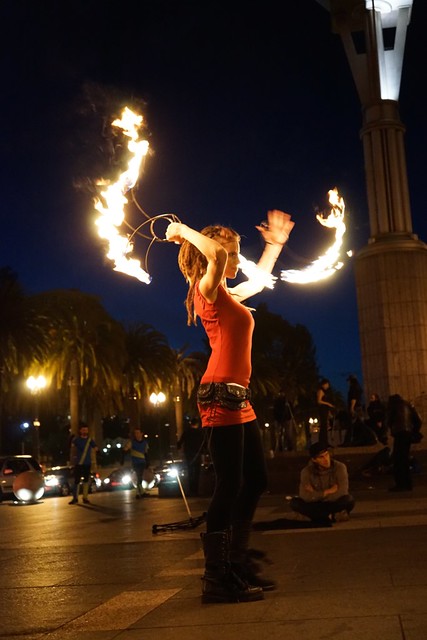
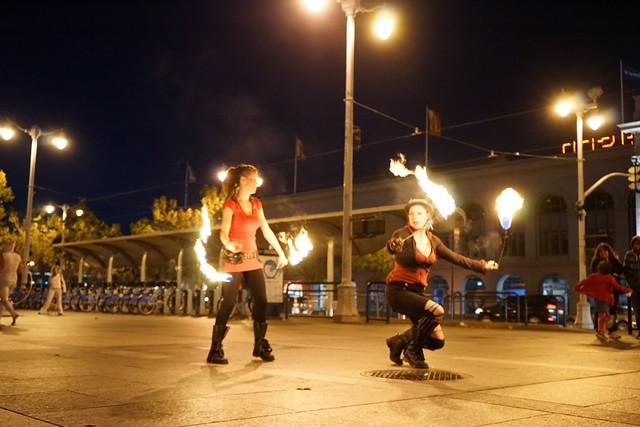
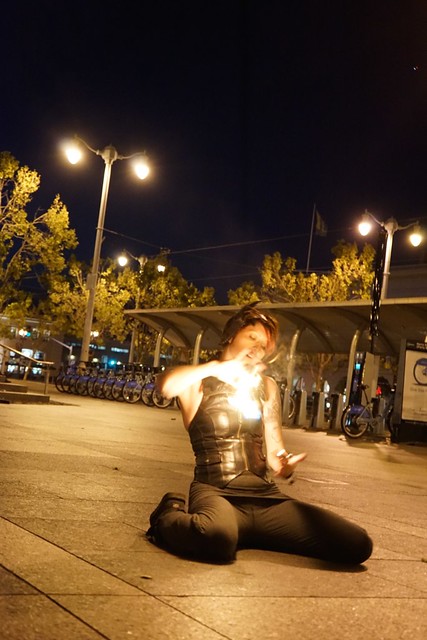
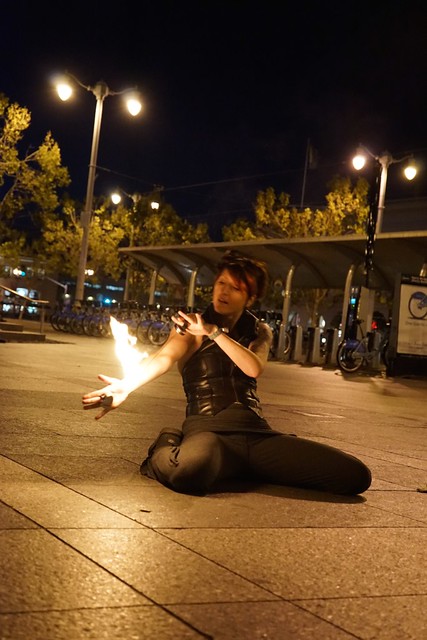
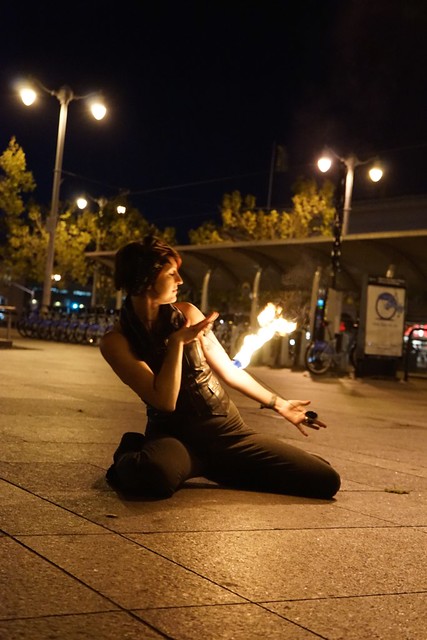
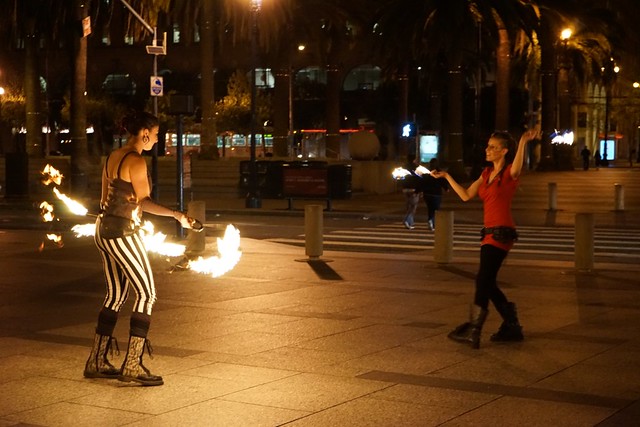
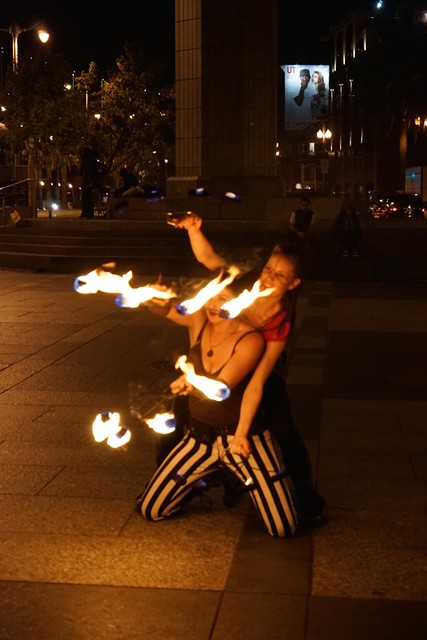
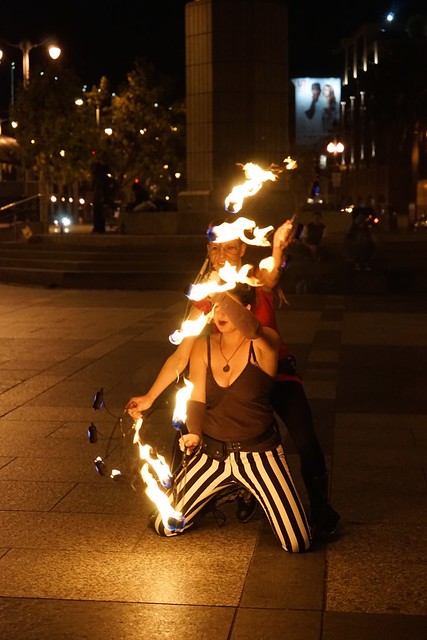
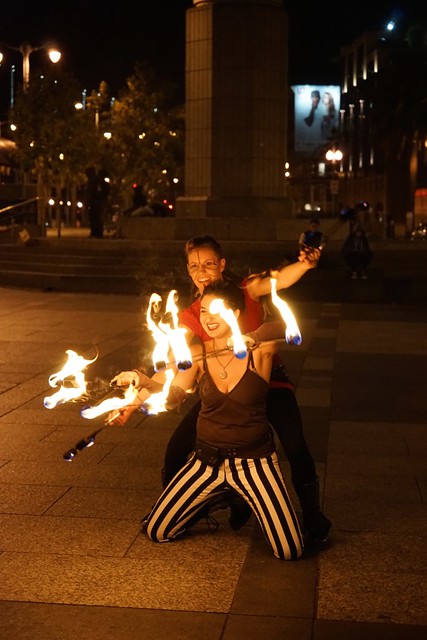
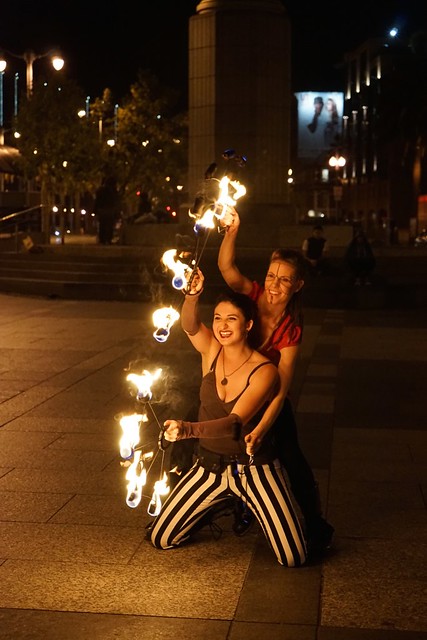
[Photo] Shooting the fire dancers

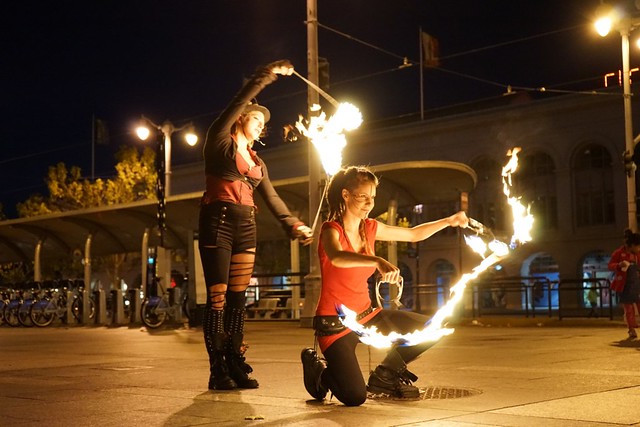
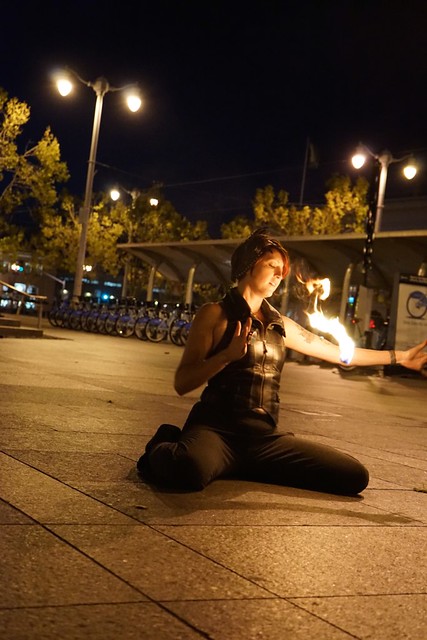
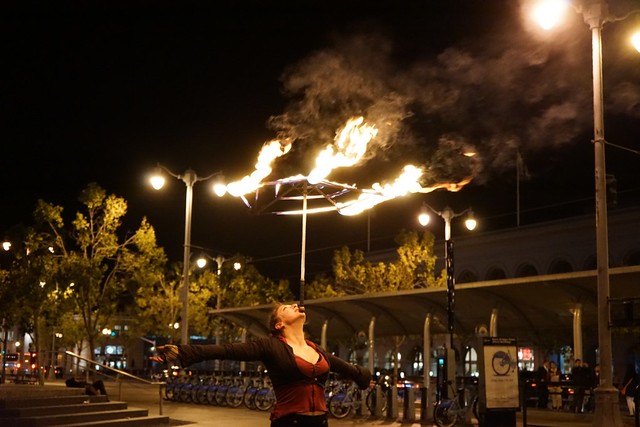
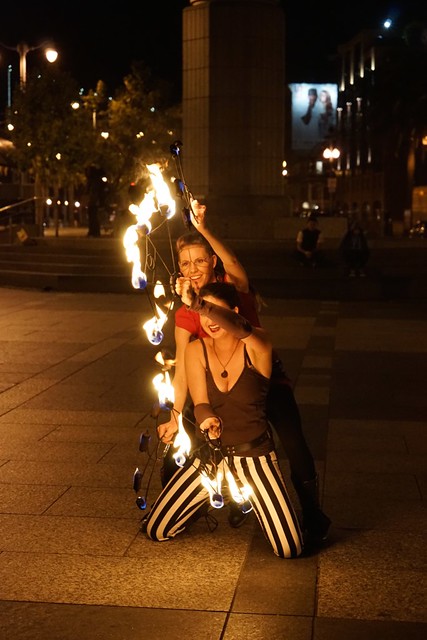
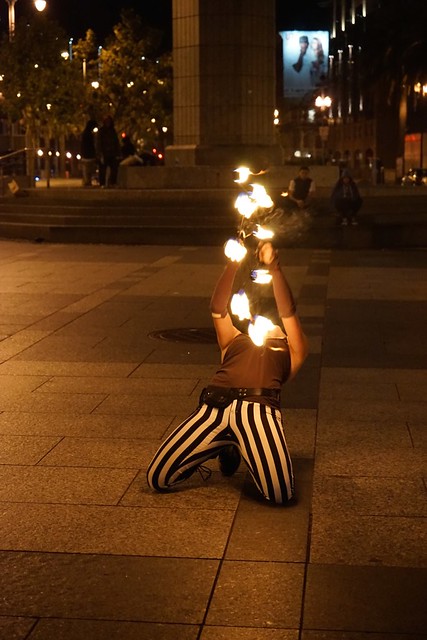
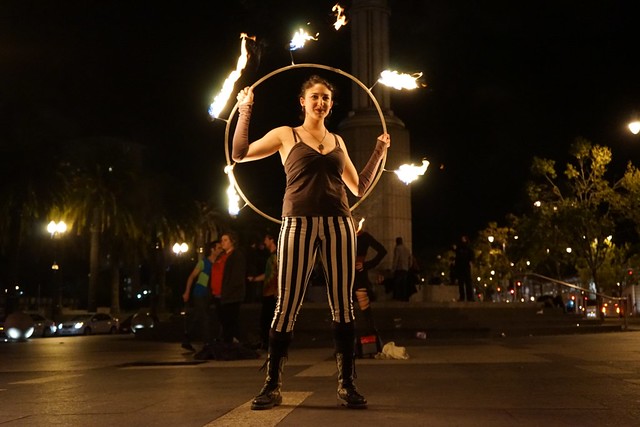
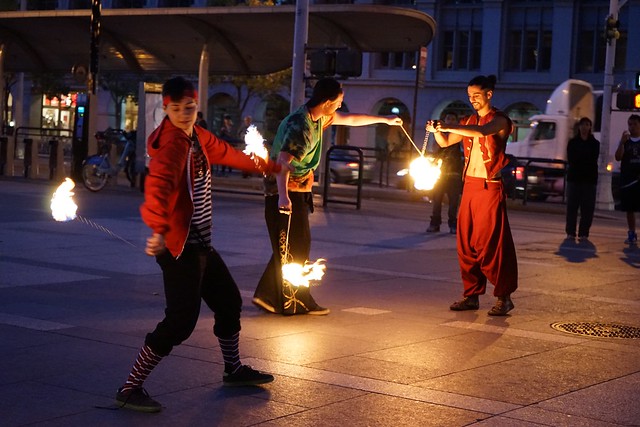
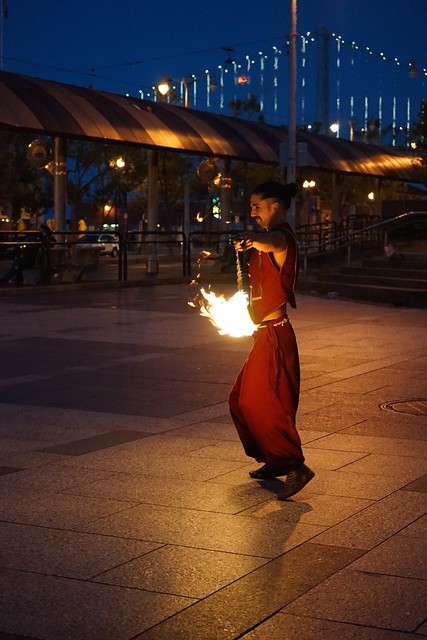
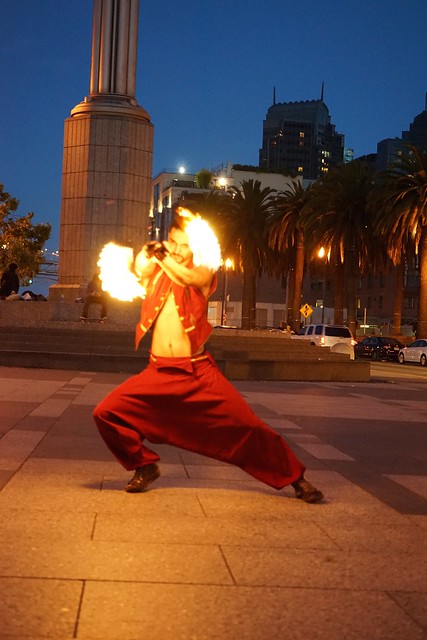
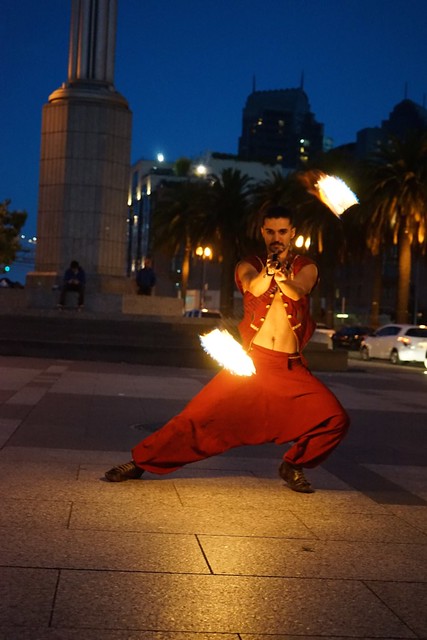
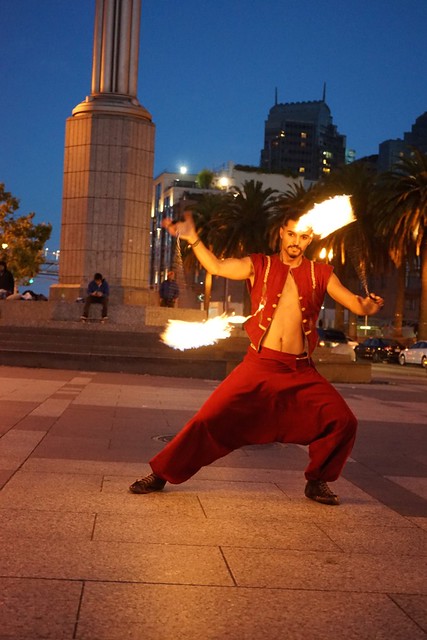
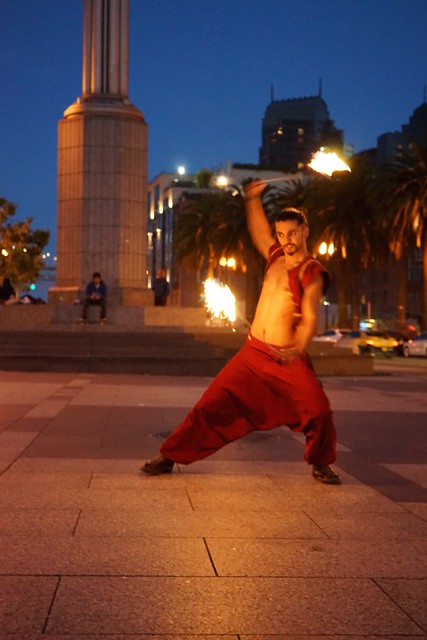
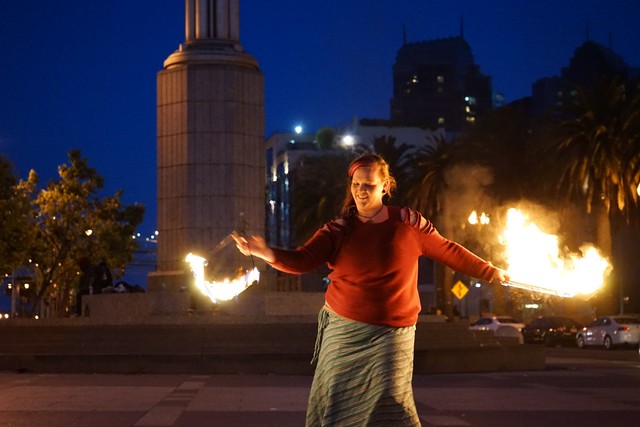
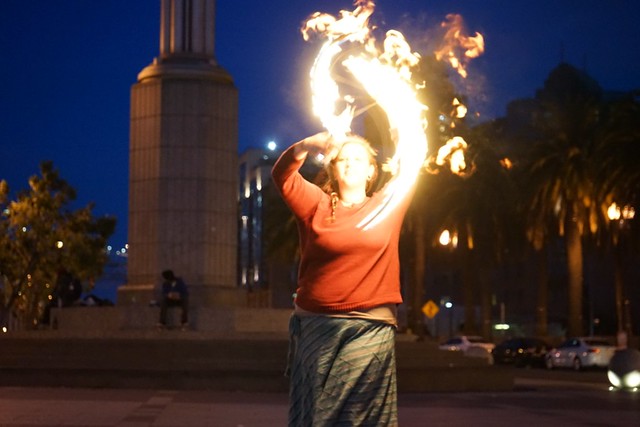
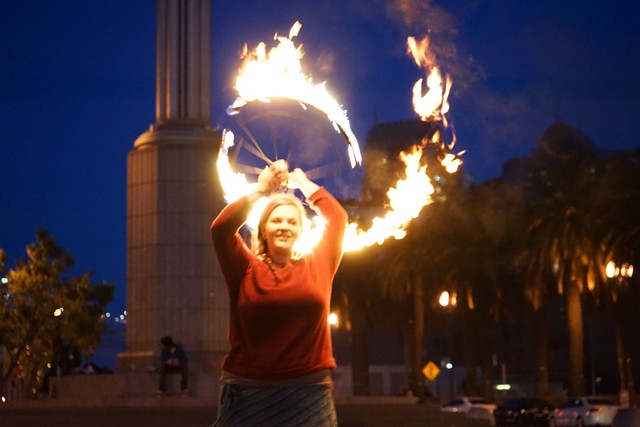
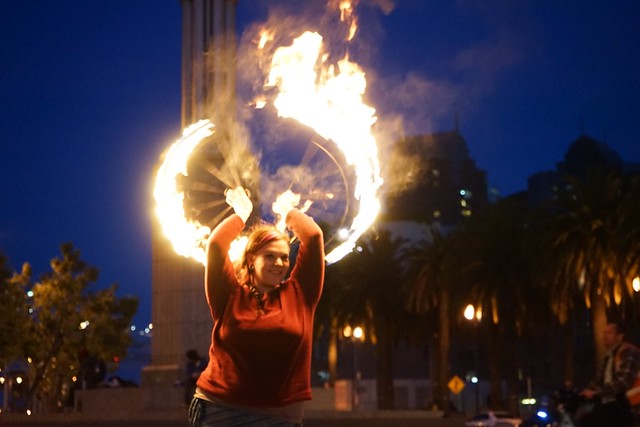
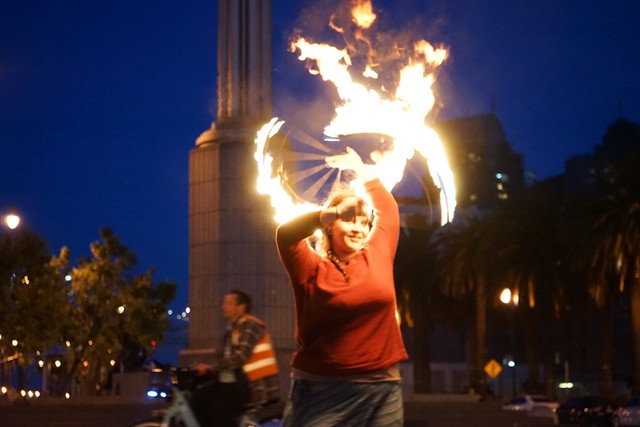
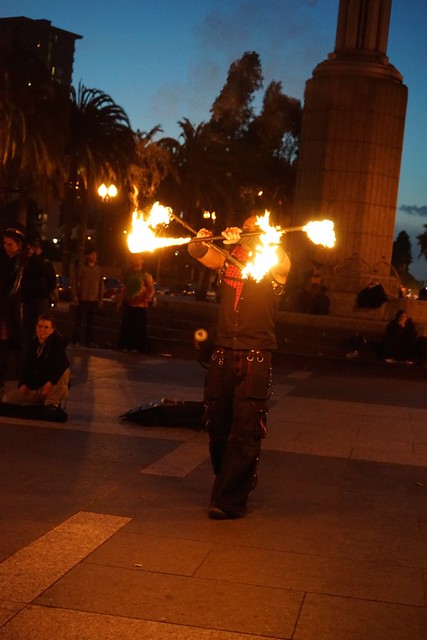
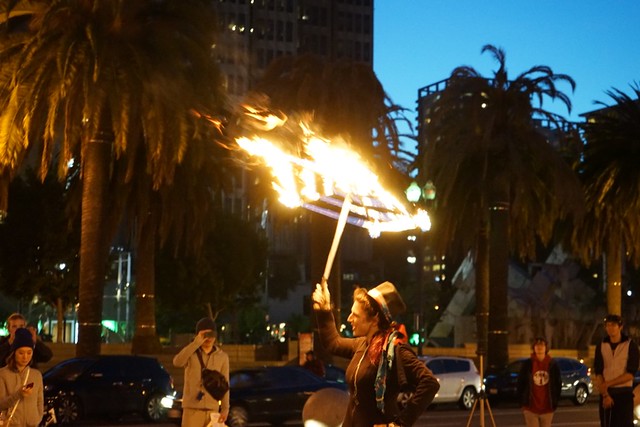
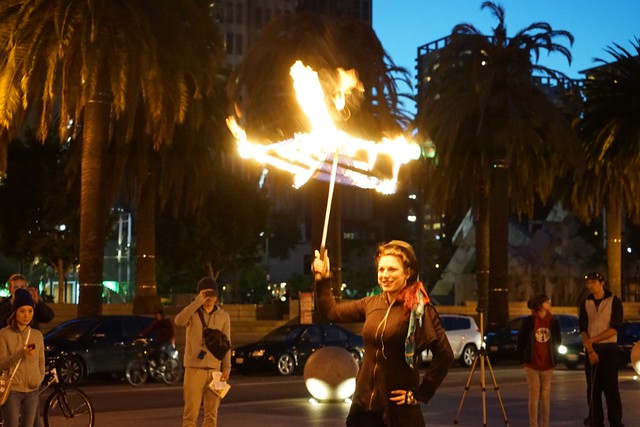
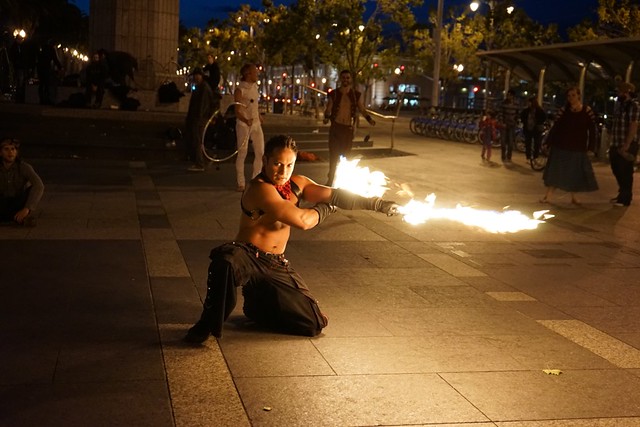
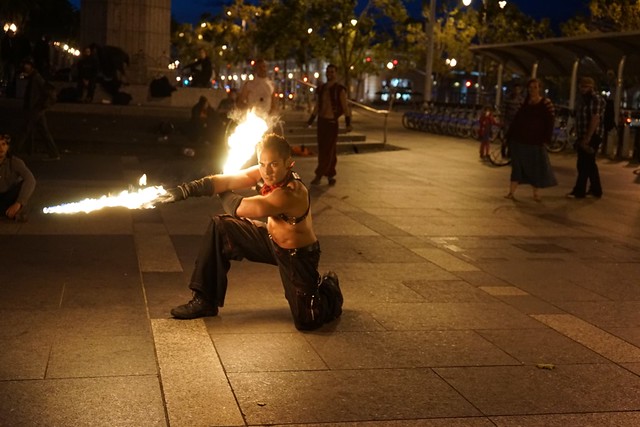
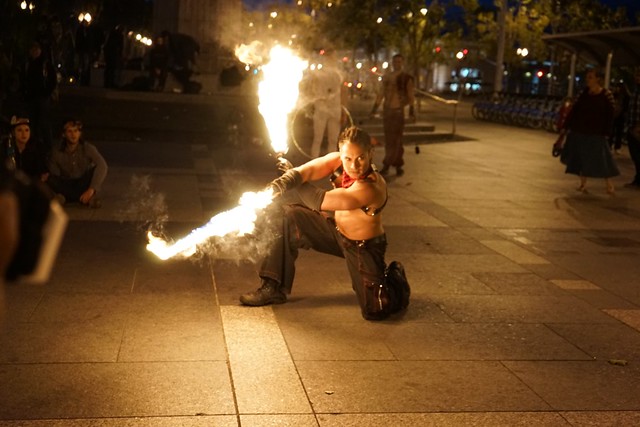
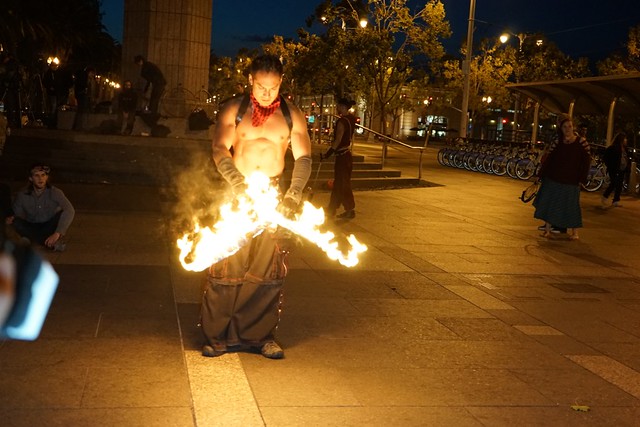
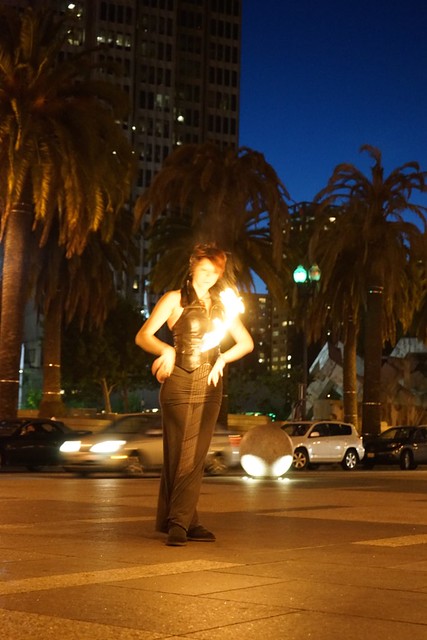
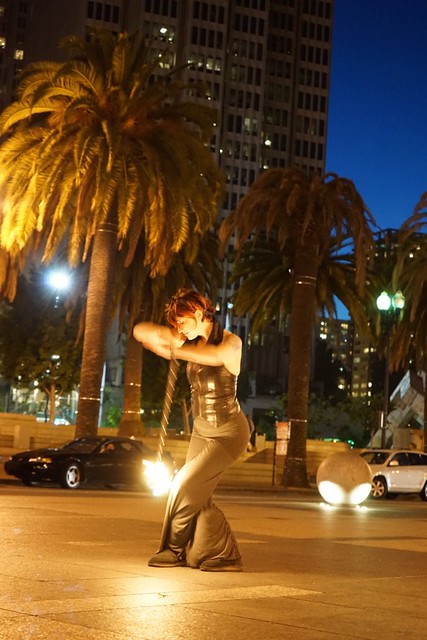
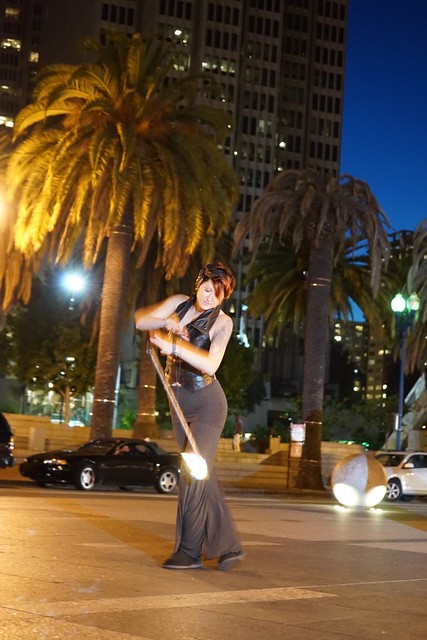
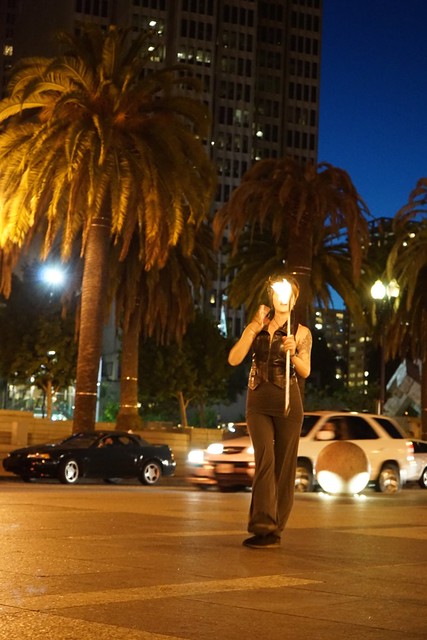
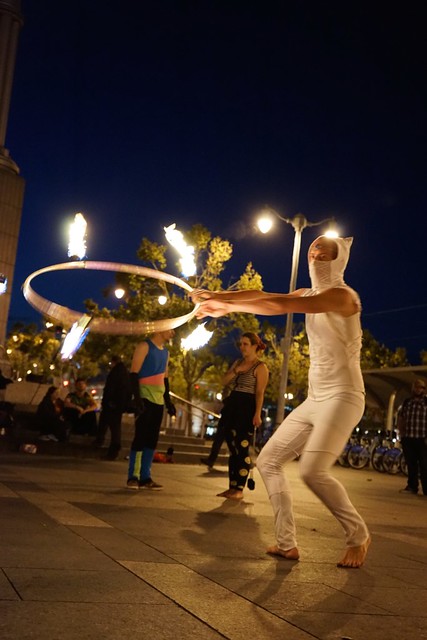
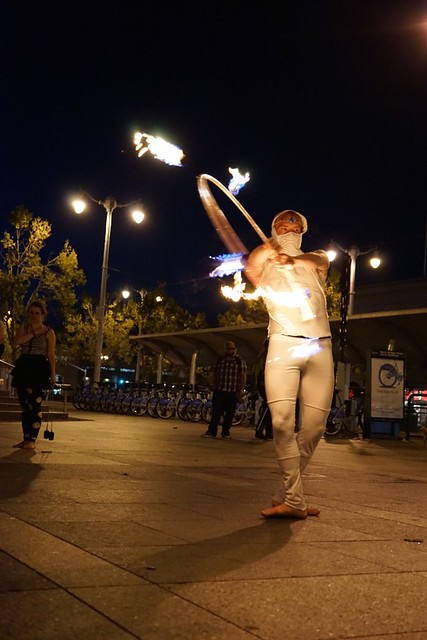
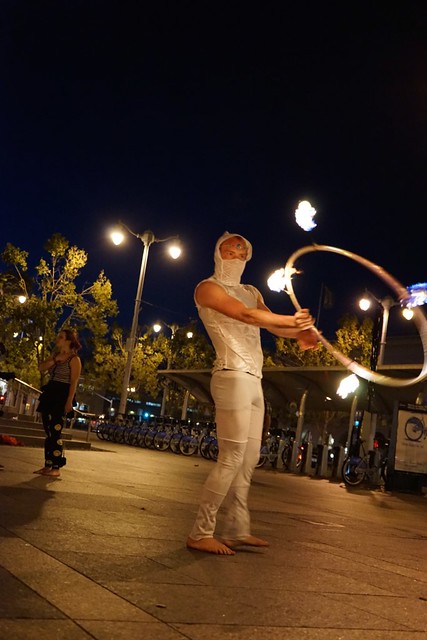
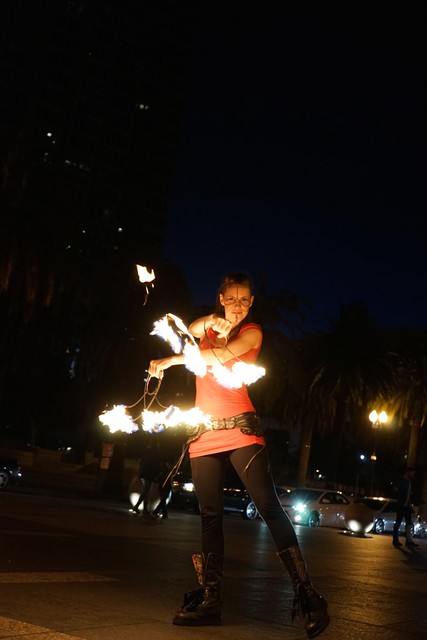
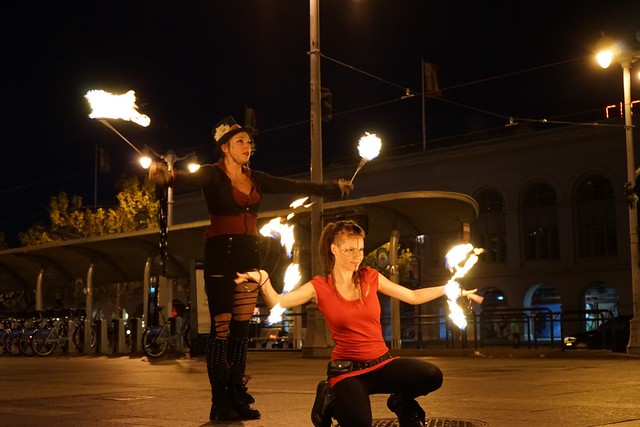
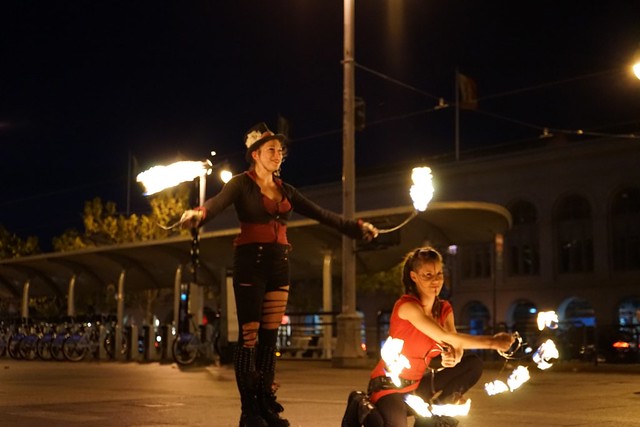
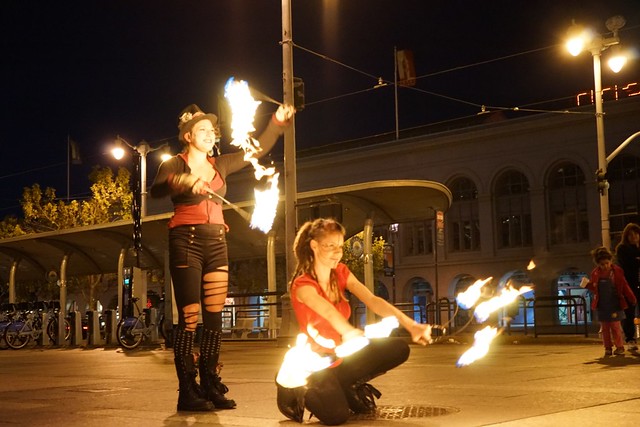
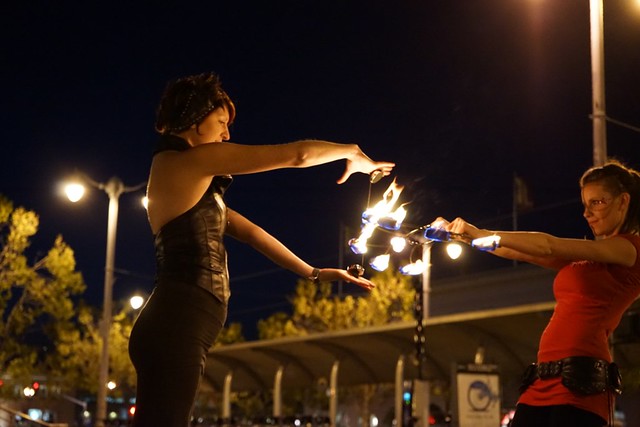
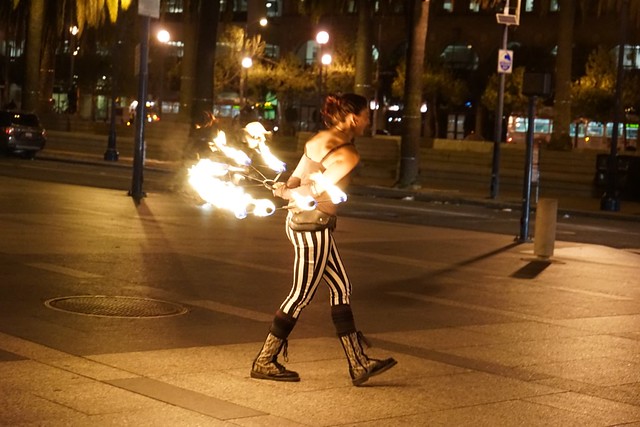
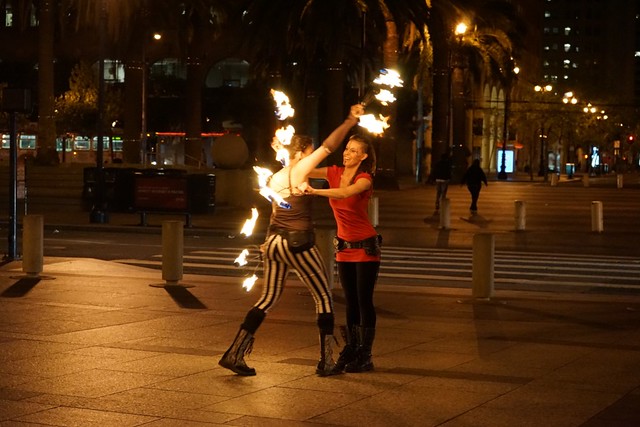
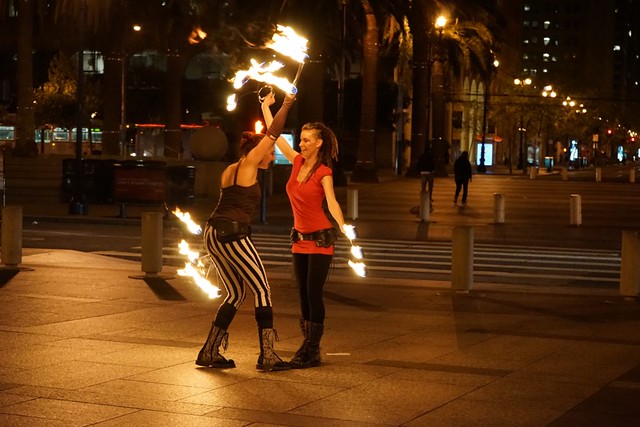
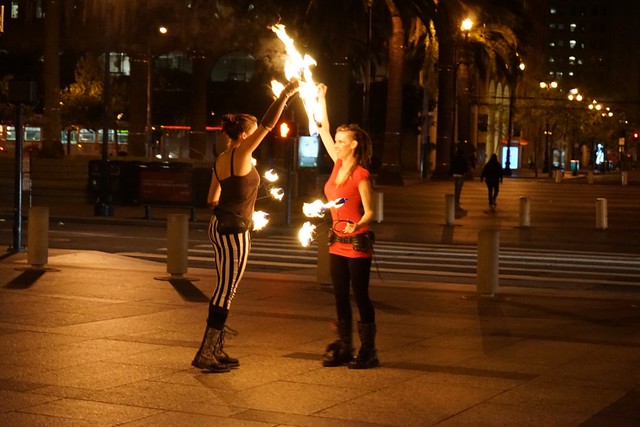
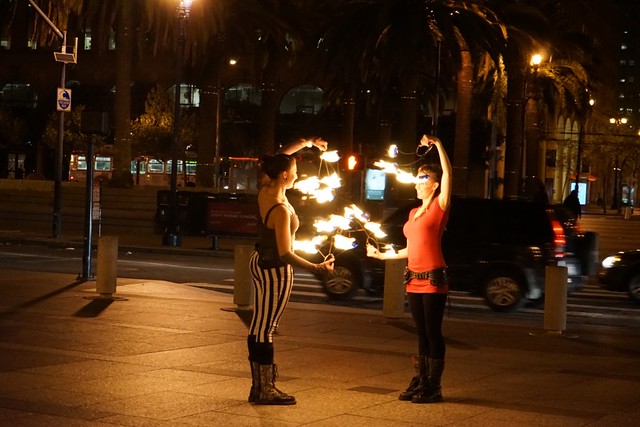
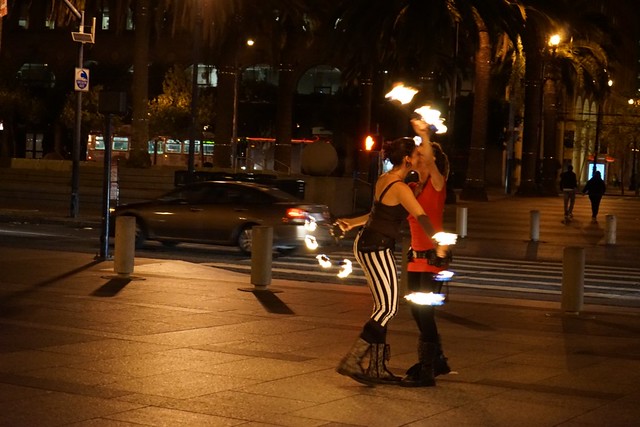
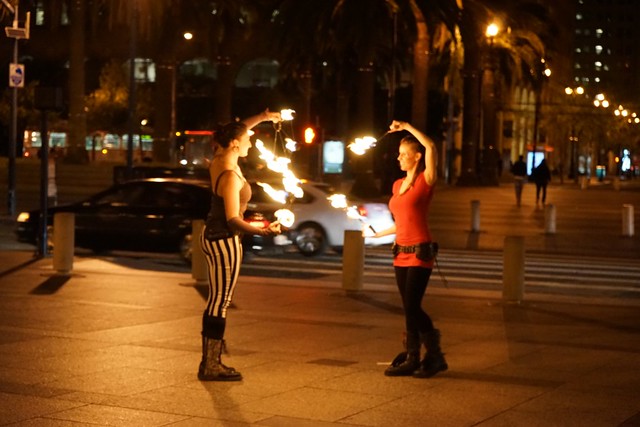
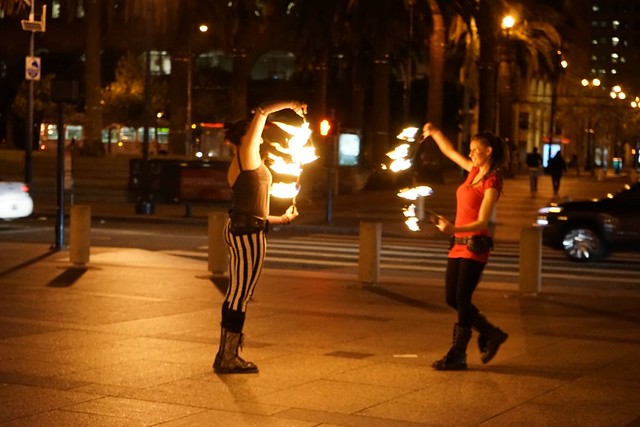
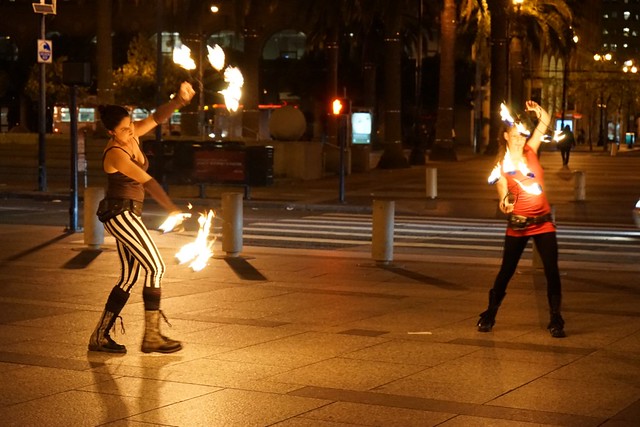
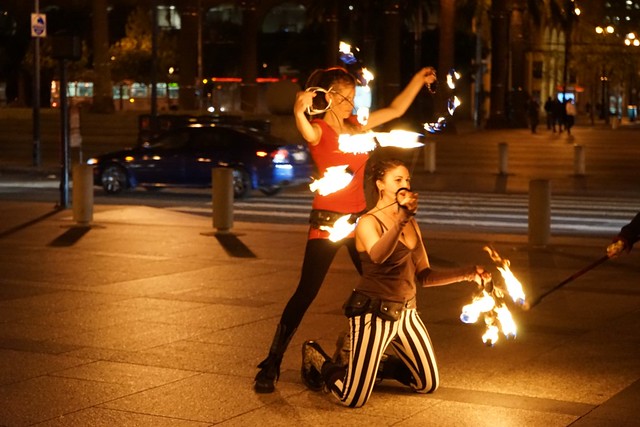
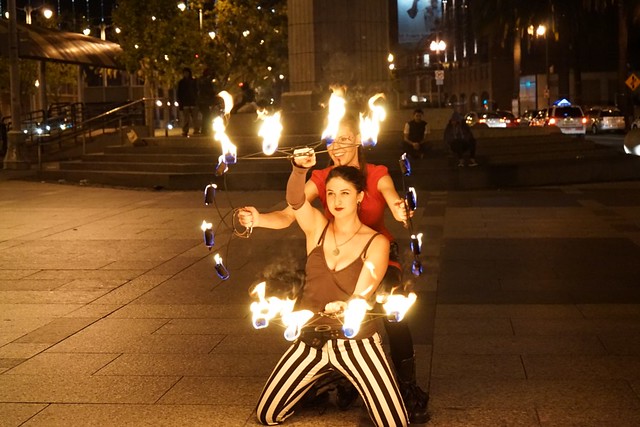
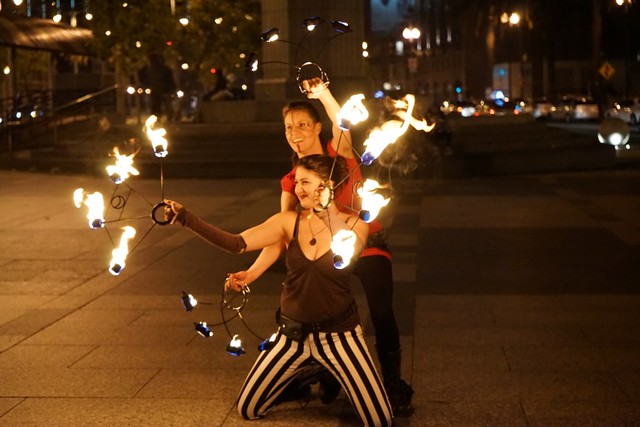
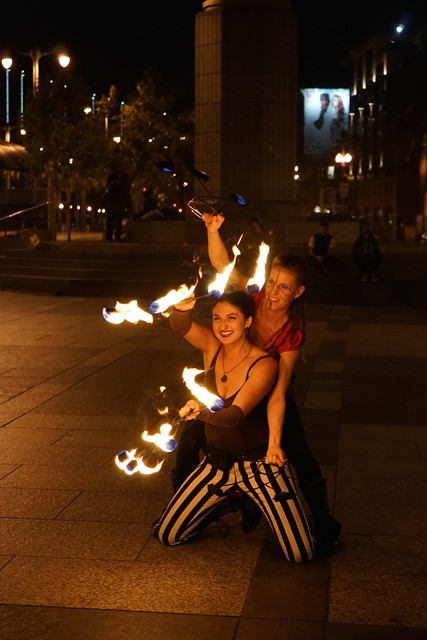
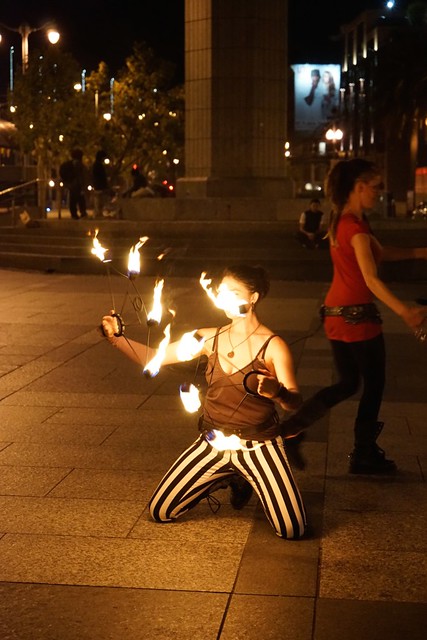
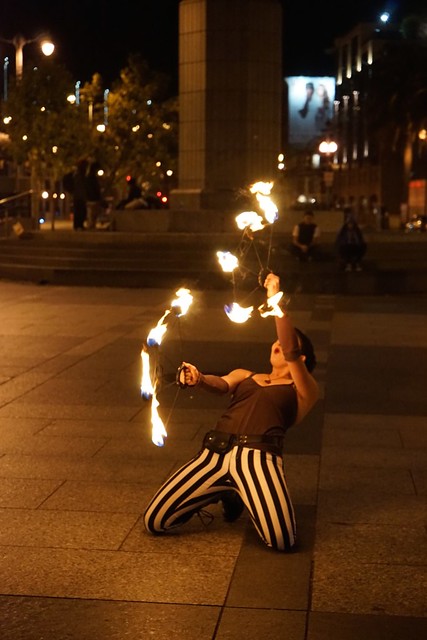
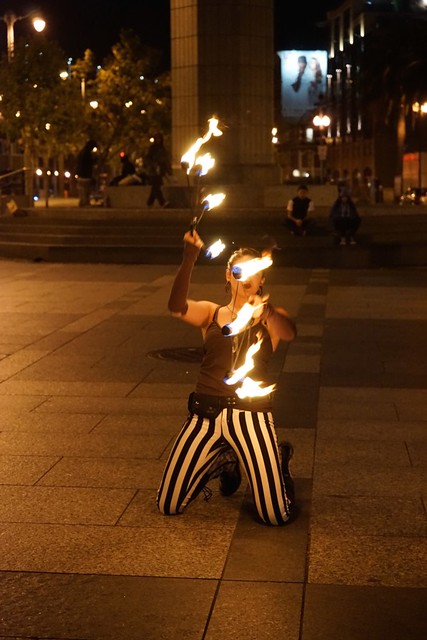
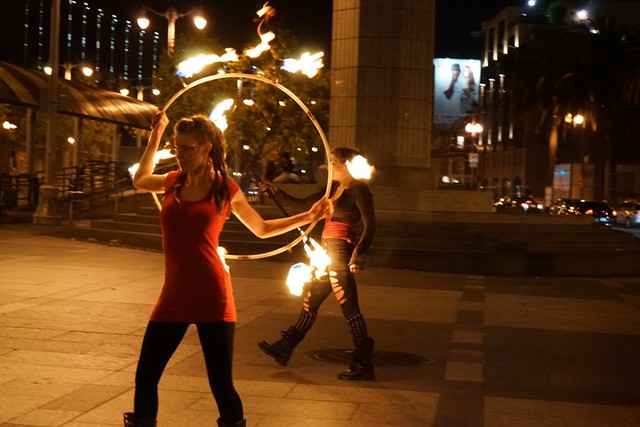
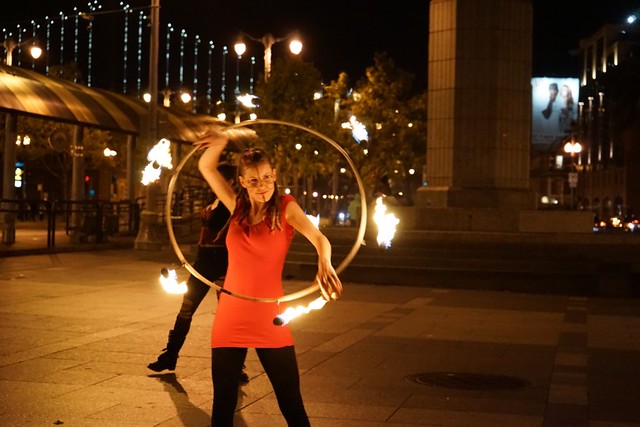
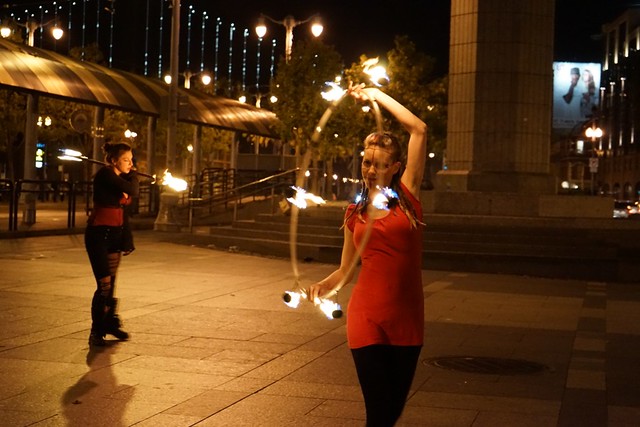
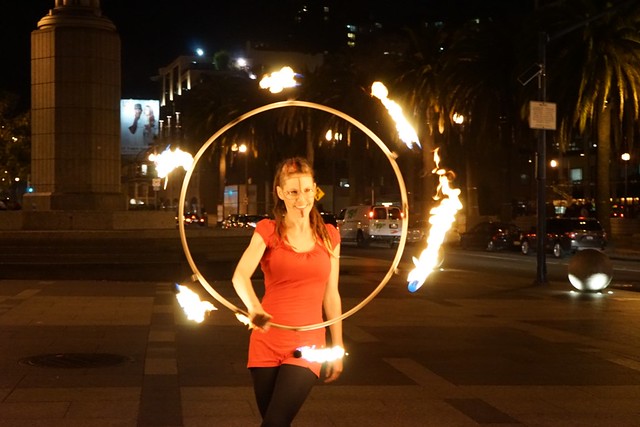
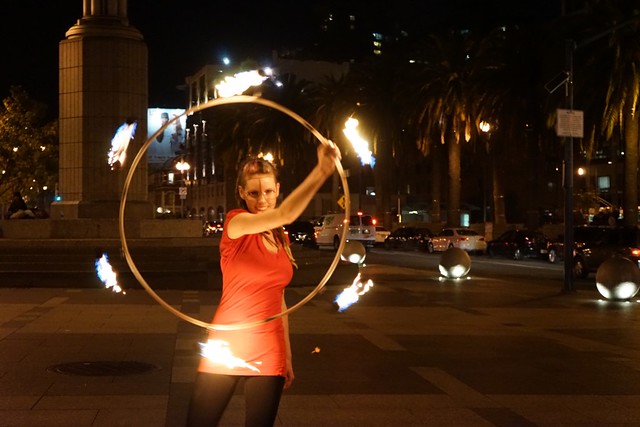
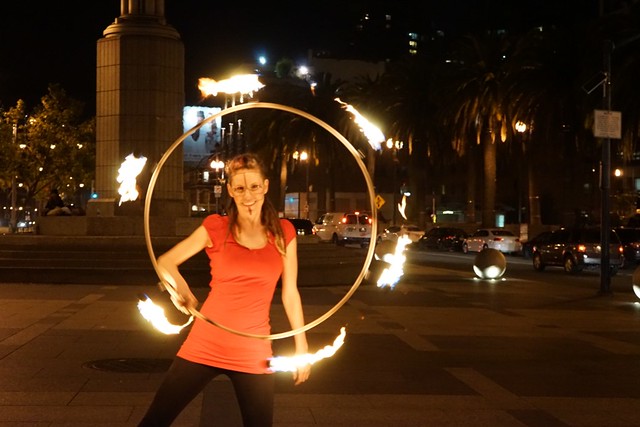
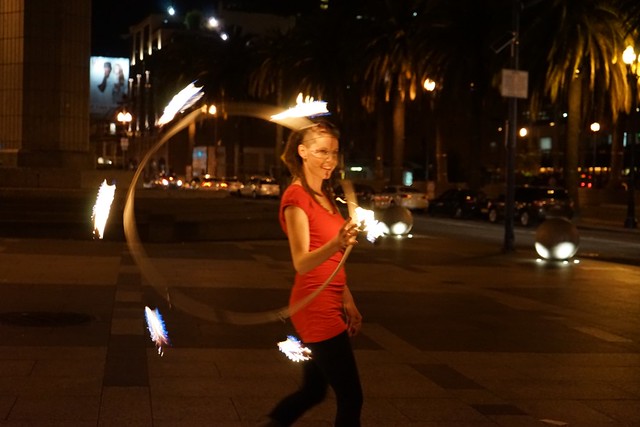
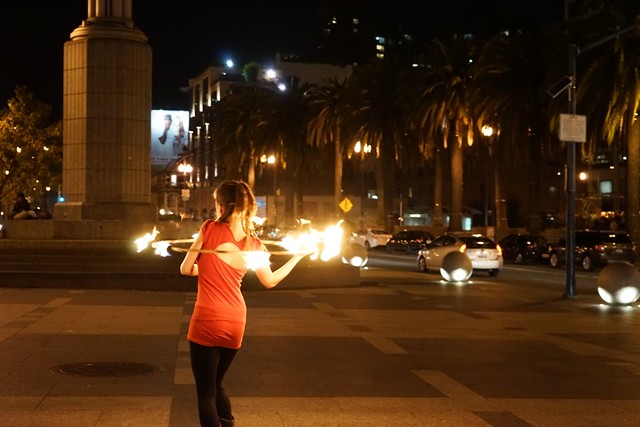
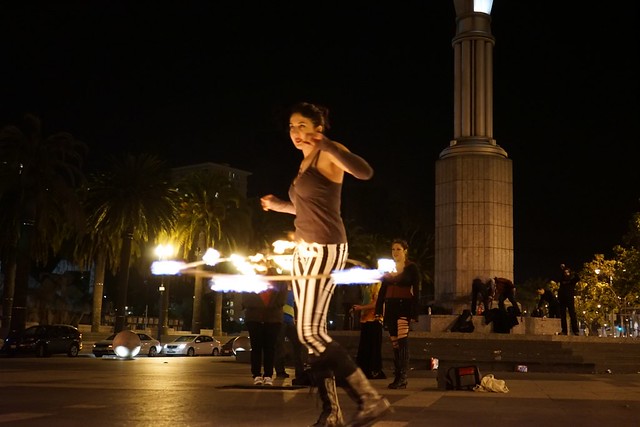
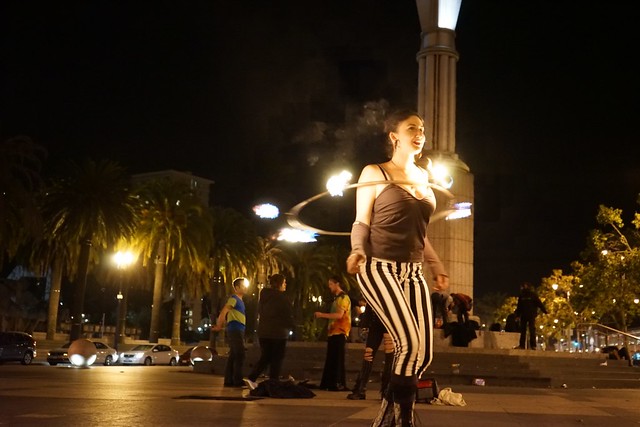
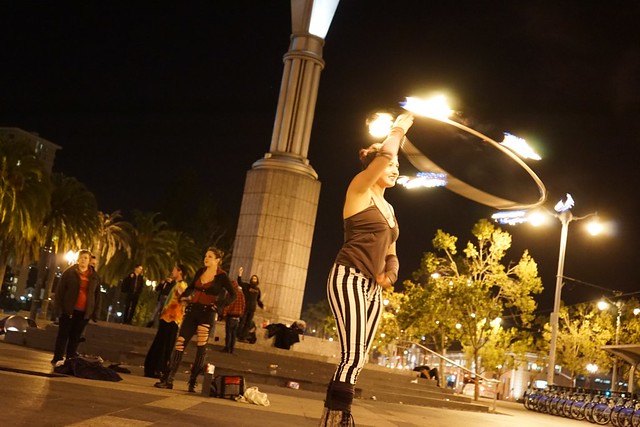
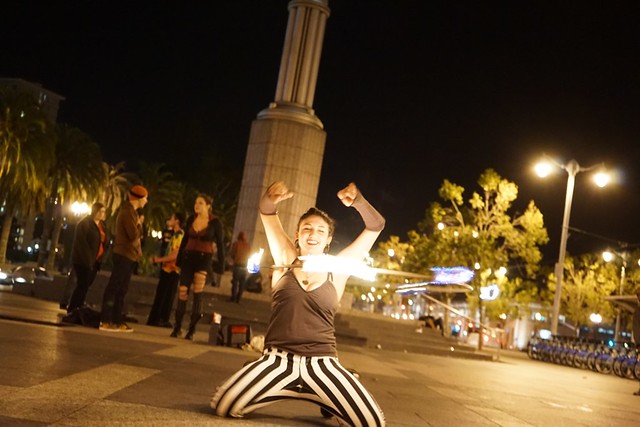
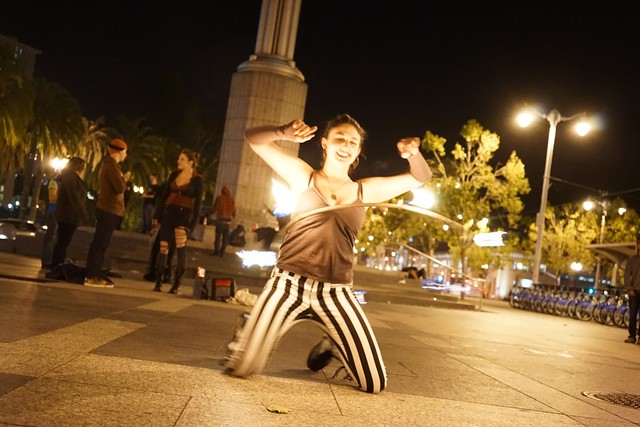
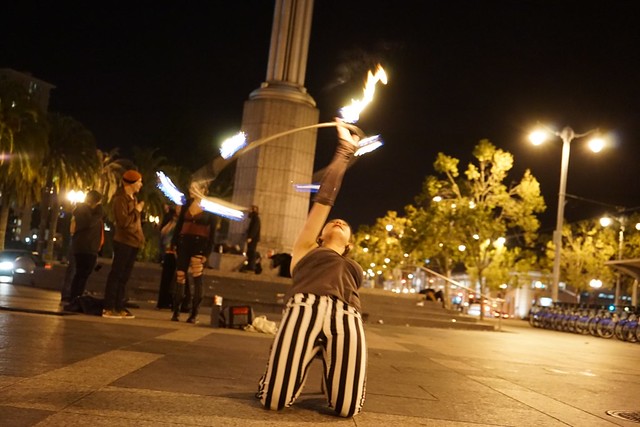
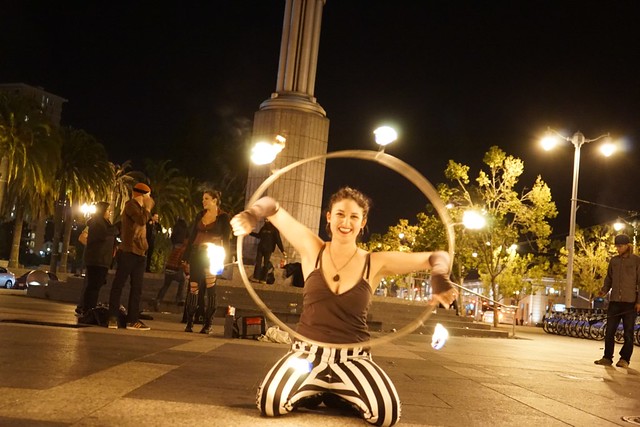
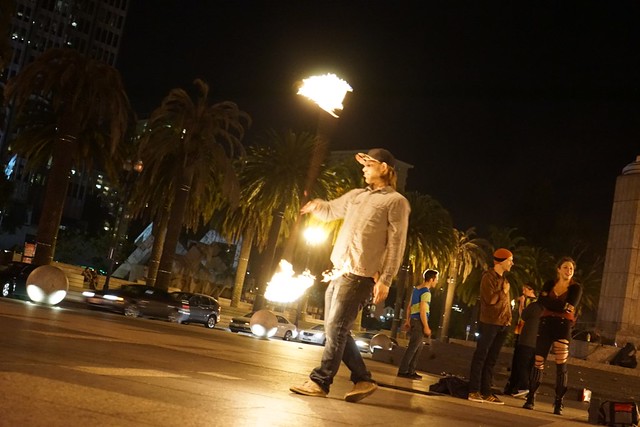
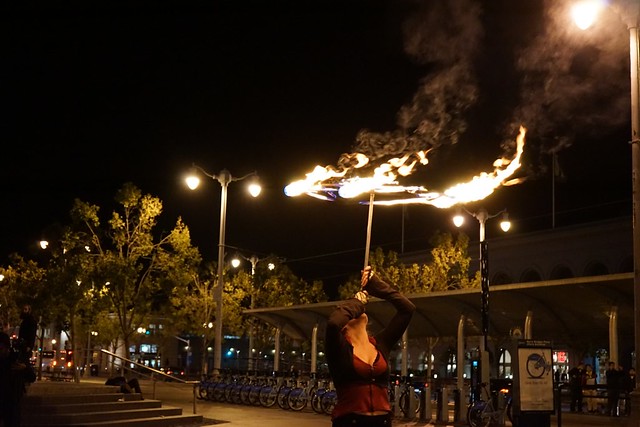
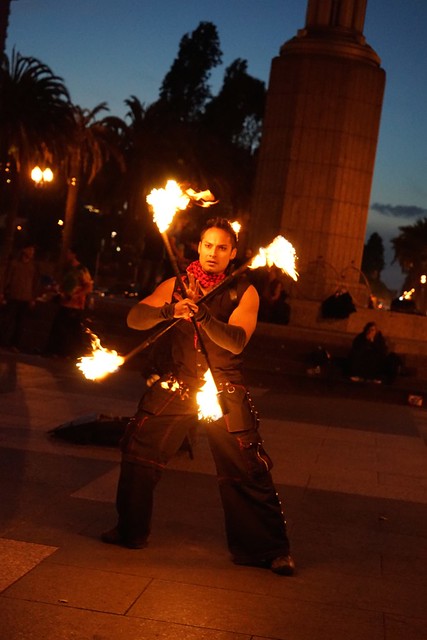
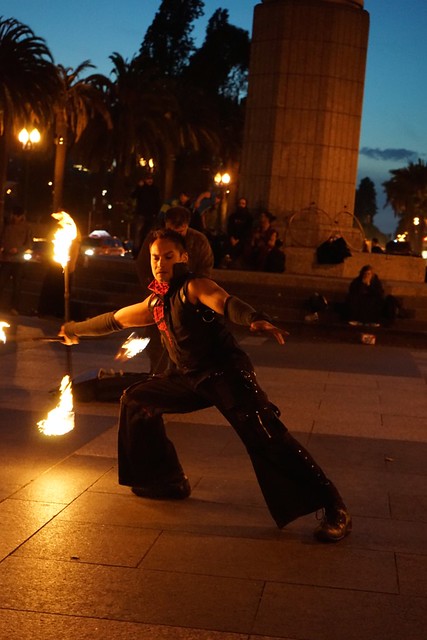
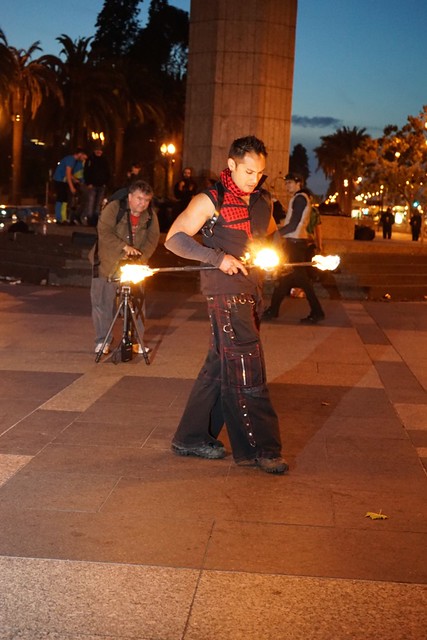
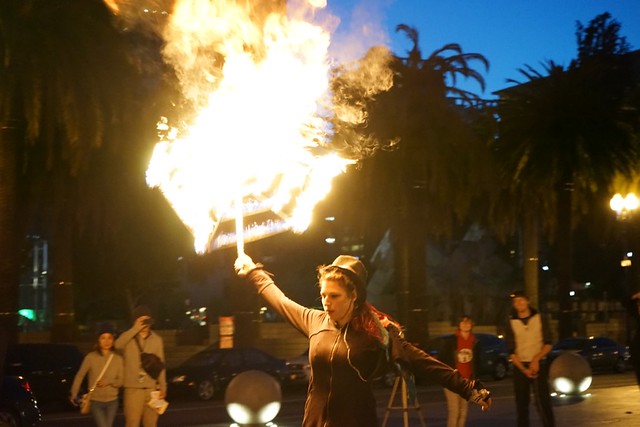
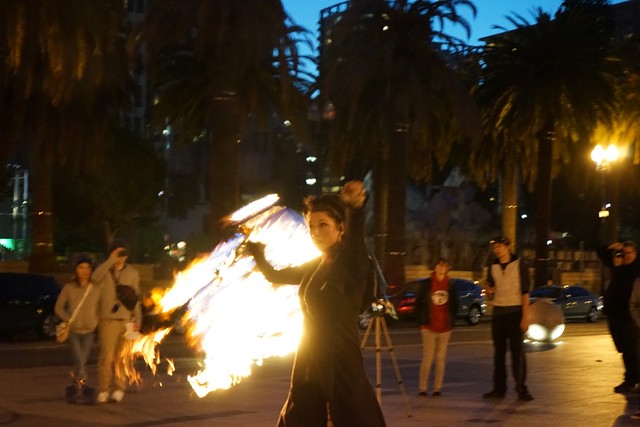
I went to join the photography team shooting photos of fire dancers!

Untitled

Untitled

Untitled

Untitled

Untitled

Untitled

Untitled

Several things to note: shooting fire dancers is really hard.

It needs to be dark, the dancers moves fast, it's just sooo hard to shoot photos without them becoming blurry. And of course, I'm new to photography, and I just bought a new camera. All of the photos are taking with "auto" settings, and I have not done any post-processing of the photos. - Still have lots to learn! I don't have tripod nor flash...

Just to give you an idea of their movements, you can see those short video clips.


Anyways, I did my best to capture the dancers!

Untitled

Untitled

Untitled

Untitled

Untitled

Untitled

Untitled

Untitled

Untitled

Untitled

Untitled

Untitled

Untitled

Untitled

Untitled

Untitled

Untitled

Untitled

Untitled

Untitled

Untitled

Untitled

Untitled

Untitled

Untitled

Untitled

Untitled

Untitled

Untitled

Untitled

Untitled

Untitled

Untitled

Untitled

Untitled

Untitled

Untitled

Untitled

Untitled

Untitled

 Untitled

Untitled

Untitled

Untitled

Untitled

Untitled

Untitled

Untitled

Untitled

Untitled

Untitled

Untitled

Untitled

Untitled

Untitled

Untitled

Untitled

Untitled

Untitled

Untitled

Untitled

Untitled

Untitled

Untitled

Untitled

Untitled

Untitled

Untitled

Untitled

Untitled

Untitled

Untitled

Untitled

Untitled

Untitled

Untitled

Untitled

Untitled

Untitled

Untitled

Untitled

Untitled

Untitled

Untitled

Untitled

Untitled

Untitled

Untitled

Untitled

Untitled

Untitled

Untitled

Untitled

Untitled
Untitled

Untitled
Untitled

Untitled

Untitled

Untitled

Untitled

Untitled

Untitled

Untitled

Untitled

Untitled

Untitled

Untitled

Untitled

Untitled


Photos by other photographers:

https://www.flickr.com/photos/zoxcleb/sets/72157644028013627/


Disclaimer: The opinions expressed here are my own, and do not reflect those of my employer. -Fumi Yamazaki
Bicycle Rules in San Francisco

This is the bicycle accident map of San Francisco that was created by Sep Kamvar, researcher in MIT Media Lab. His team is actually releasing one map per day, for 10,000 days, with 10,000 maps of 100 cities x 100 maps each.


As a cyclist living in San Francisco, I am excited that those accidents are visualized, and am interested in clarifying the reasons for those accidents, and working to fix it so that San Francisco becomes a safer city for cyclists. May 8th is 20th anniversary of Bike to Work day in San Francisco, and May is the Bicycle Month in San Francisco. What a perfect timing ;)

Also note that the San Francisco Municipal Transportation Agency (SFMTA) released its 2013 Bicycle Count Report, which shows that the number of people biking in San Francisco increased a dramatic 96% since 2006.


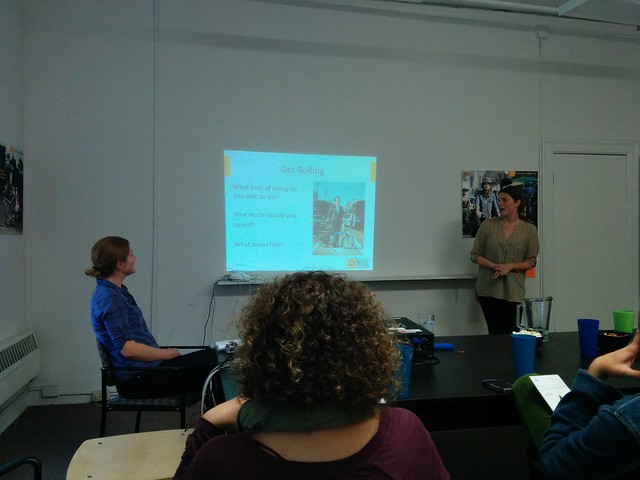
So I went to one of the workshops that San Francisco Bicycle Coalition puts together to explain about the rules of biking in SF. If you're new to SF and are biking, I highly recommend you do so too, because the rules and regulations differs country to country, and what was common sense in Japan is not the norm here.

SF Bicycle Coalition

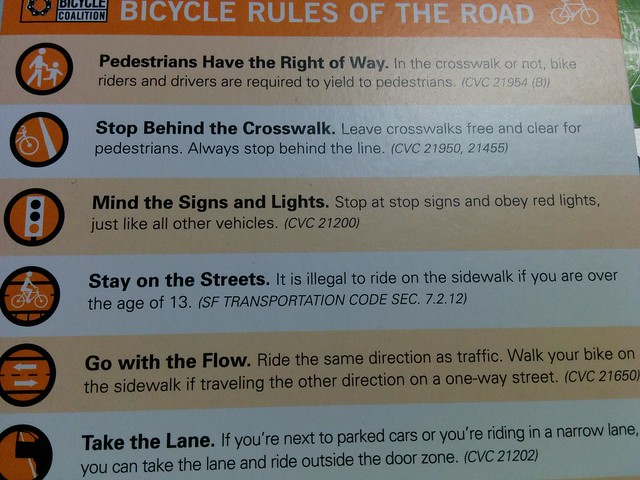
Rules of the road:

Some important snippets from California Vehicle Code, you can find the information to the links to related codes here.

SF Bicycle Coalition

SF Bicycle Coalition

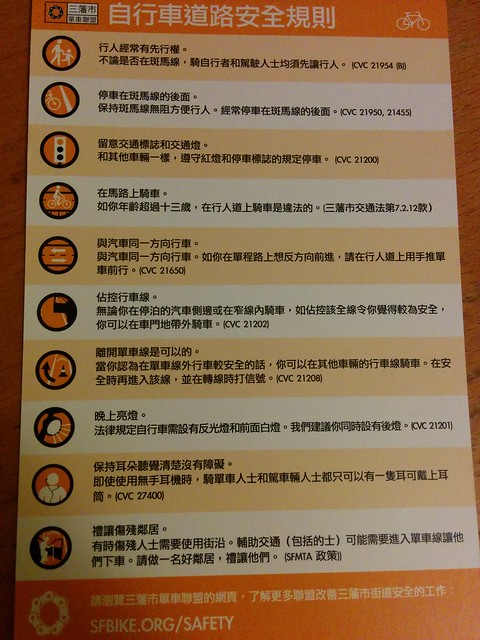
PEDESTRIANS HAVE THE RIGHT OF WAY 

In the crosswalk or not, bike riders and drivers are required to yield to pedestrians. (CVC 21954 (b))

STOP BEHIND THE CROSSWALK 

Leave crosswalks free and clear for pedestrians. Always stop behind the line. (CVC 21950, 21455)

If not, you can get expensive ticket (looks like more than 200 USD fine...) I see many cyclists every day blocking the pedestrians by going to the first white line, not the second line. They're all subject to 200 USD fine? Wow...

Bike

MIND THE SIGNS AND LIGHTS

Stop at stop signs and obey red lights, just like all other vehicles. (CVC 21200) 

In California, a person riding a bicycle or operating a pedicab upon a highway has all the rights and is subject to all the provisions applicable to the driver of a vehicle by this division.... Stop at stop signs and obey red lights, just like other vehicles. In other countries if you are biking you are not treated the same as people driving cars- but here in California, you are subject to provisions similar to a car driver. Wow. Violation of $85.00. BTW, in California, bikes can ride on highway by law.

Also, at cross sections, many of bikers are sort of wiggling their way during red lights- according to this workshop, police can fine you for not obeying the red light- putting your feet on the ground is safest way to prove you were obeying the red light. Wow.

STAY ON THE STREETS 

It’s illegal to ride on the sidewalk if you are over the age of 13. (SF Transportation Code Sec. 7.2.12)

Repeat, IT IS NOT LEGAL TO BE ON SIDEWALK in San Francisco. In some countries, since car lanes are dangerous, bicycles ride on sidewalks. Beware, don't do that in SF!

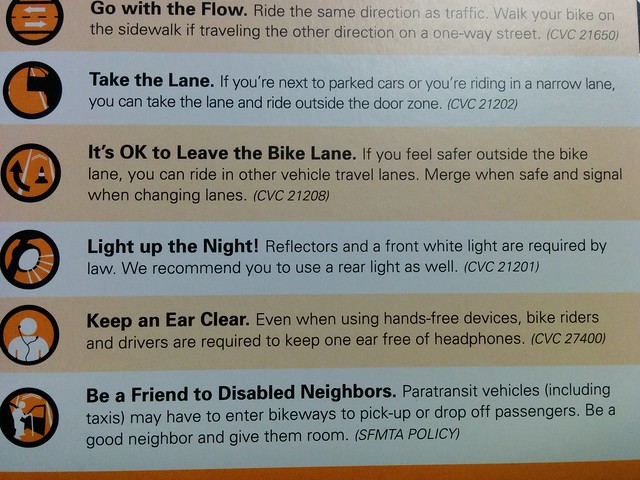
GO WITH THE FLOW 

Ride the same direction as traffic. Walk your bike on the sidewalk if you find yourself on the wrong block of a one-way street. (CVC 21650)

There's lots of one-way streets in SF, so be careful which way you go.

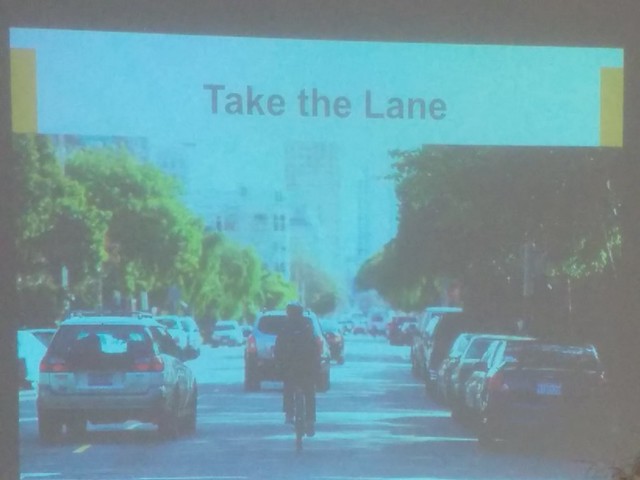
TAKE THE LANE 

If you’re next to parked cars or you’re riding in a narrow lane — if you feel safer, take the lane and ride outside the door zone. (CVC 21202)

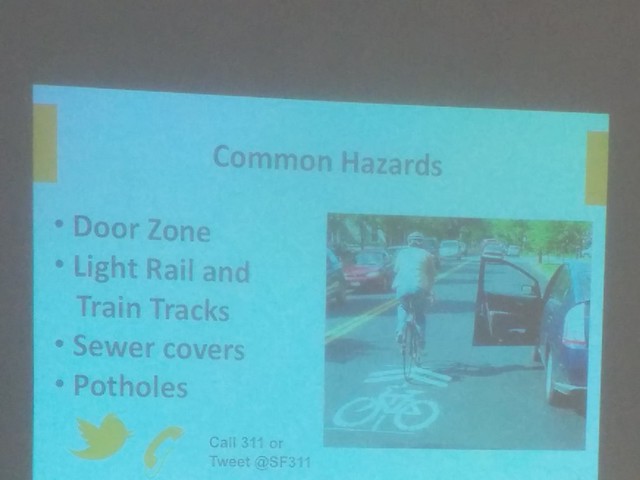
Door zones is one of the common hazards for bike riders in SF.

SF Bicycle Coalition

When they say "take the lane" what do they mean? Reading the CVC21202:
21202. (a) Any person operating a bicycle upon a roadway at a speed less than the normal speed of traffic moving in the same direction at that time shall ride as close as practicable to the right-hand curb or edge of the roadway except under any of the following situations: (1) When overtaking and passing another bicycle or vehicle proceeding in the same direction. (2) When preparing for a left turn at an intersection or into a private road or driveway. (3) When reasonably necessary to avoid conditions (including, but not limited to, fixed or moving objects, vehicles, bicycles, pedestrians, animals, surface hazards, or substandard width lanes) that make it unsafe to continue along the right-hand curb or edge, subject to the provisions of Section 21656. For purposes of this section, a "substandard width lane" is a lane that is too narrow for a bicycle and a vehicle to travel safely side by side within the lane. (4) When approaching a place where a right turn is authorized. (b) Any person operating a bicycle upon a roadway of a highway, which highway carries traffic in one direction only and has two or more marked traffic lanes, may ride as near the left-hand curb or edge of that roadway as practicable.
Does this cyclist seem to be doing the right thing?

SF Bicycle Coalition

In California, yes. In Tokyo, no. In California, yes because it is bicycle riders' responsibility to ride far enough from the automobile doors to open. In Tokyo, this bicyclist is riding too much into the car driving zone and unsafe.

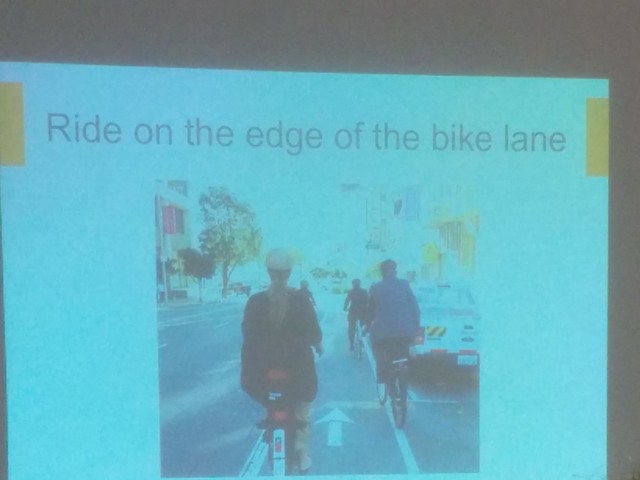
On this photo, which bicycle is doing the right thing?

SF Bicycle Coalition

In California, the woman in the left, because she is taking necessary distance from the parked car. In Japan, probably the man in the right, since he is avoiding getting hit by the moving cars. In Japan, bike riders are assumed weaker on the road and meant to protect themselves. In California, bike riders are assumed stronger on the road and meant to protect others (such as people coming out of the cars, etc.) The woman in the left works for SF Bike Coalition and the man in the right is mayor of SF, by the way.

Also, look at the picture below:

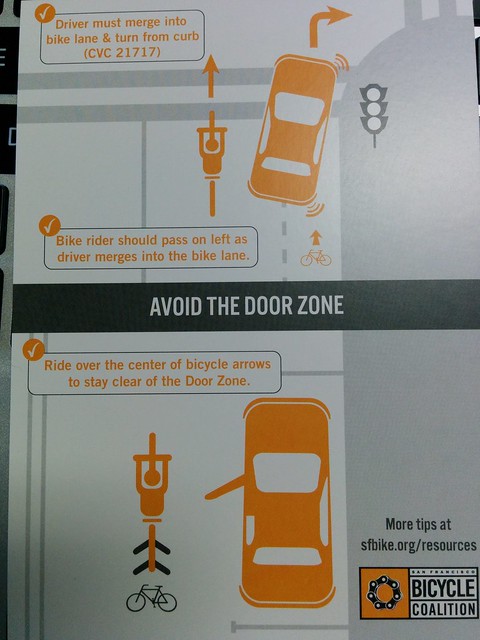
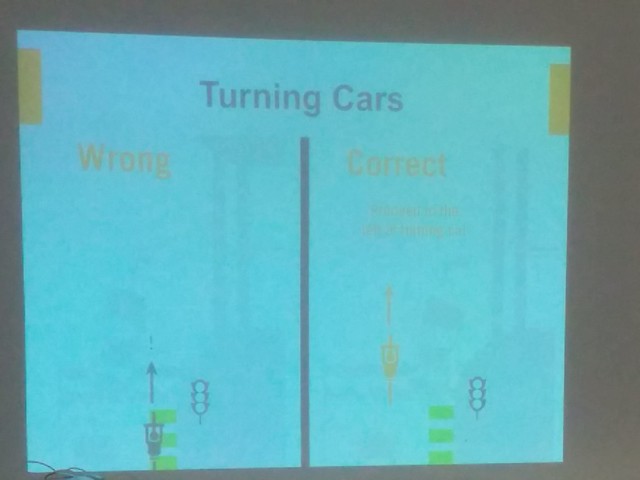
In San Francisco, car drivers are required by law to merge into bike lane when turning right (CVC 21717). So what happens is that bike riders needs to pass on left of the cars.

SF Bicycle Coalition

So a bike rider, if you stay in the far right (that you usually try to stick), you're doing it wrong.

SF Bicycle Coalition

By the way, do you know how to make left turns in San Francisco? You go all the way to the center of the crossway, and turn left. (Or, you cross the lane forward, and wait for the other traffic signal to change, and cross left.) This is prohibited in Japan, but legal in SF...


Source: Metropolitan Police Department, bicycle rules

IT’S OK TO LEAVE THE BIKE LANE 

If you feel safer outside the bike lane, you can ride in other vehicle travel lanes. Merge when safe and signal when changing lanes. (CVC 21208)

Wow, I was amazed there's a provision for that. I thought that was a matter of course.

LIGHT UP THE NIGHT 

Reflectors and a front white light are required by law. We recommend you use a rear light as well. (CVC 21201)

KEEP AN EAR CLEAR 

Even when using hands-free devices, bike riders and drivers are required to keep one ear free of headphones. (CVC 27400)

BE A FRIEND TO DISABLED NEIGHBORS 

Sometimes people with disabilities need access to the curb. Paratransit carriers (including taxis) may have to enter the bikeway to drop them off. Be a good neighbor and give them room. (SFMTA Policy)

Also, I was reading more on CVC and found this provision: CVC 21963 Visually Handicapped Pedestrian "A totally or partially blind pedestrian who is carrying a predominantly white cane (with or without a red tip), or using a guide dog, shall have the right-of-way, and the driver of any vehicle approaching this pedestrian, who fails to yield the right-of-way, or to take all reasonably necessary precautions to avoid injury to this blind pedestrian, is guilty of a misdemeanor, punishable by imprisonment in the county jail not exceeding six months, or by a fine of not less than five hundred dollars ($500) nor more than one thousand dollars ($1,000), or both."

Other tips:

So what is the advice to avoid accidents? SF Bike Coalition says "Ride predictably". Make your movements predictable to others on the road, so that you can ride more safely.


-Make yourself visible
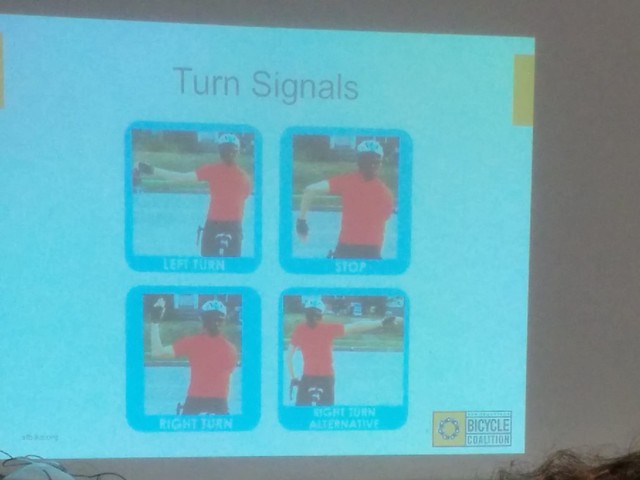
-Use turn signals with your hands
-Eye contact with the drivers

SF Bicycle Coalition

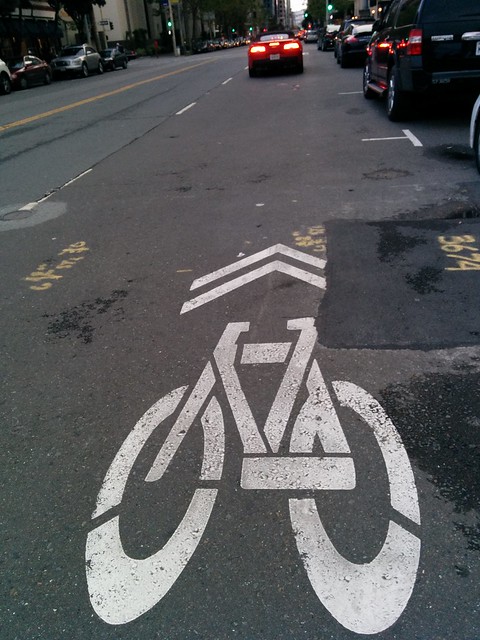
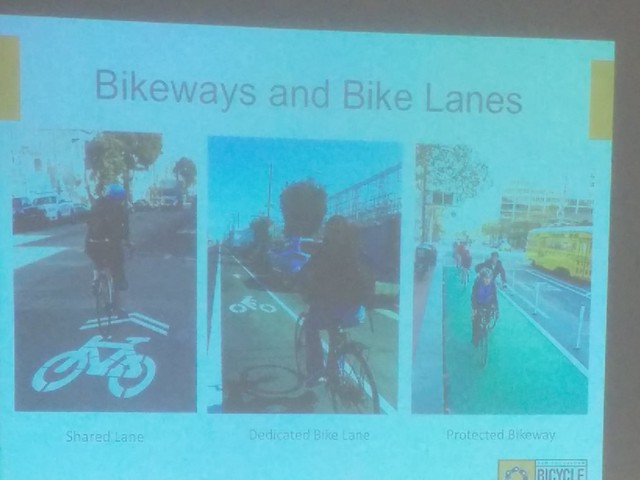
When you see this mark, do you think this is a bike lane?

San Francisco

It has a bicycle picture, so coming from outside SF, you'd probably think yes. The answer is no. This is called shared lane, both for bicycles and cars.

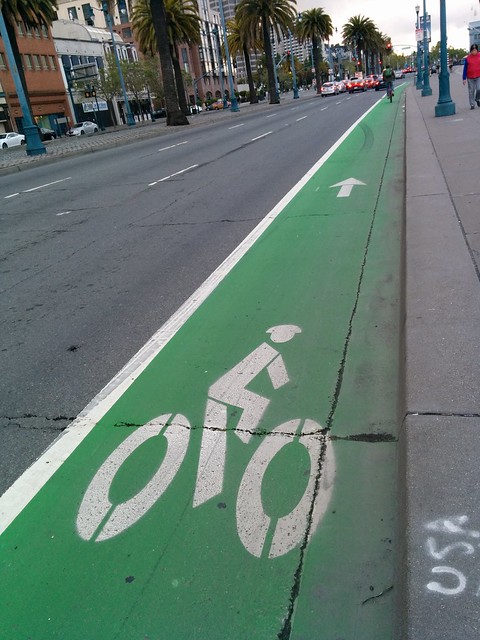
Bike lanes look like the following here.

San Francisco

SF Bicycle Coalition

Other tips they mentioned:


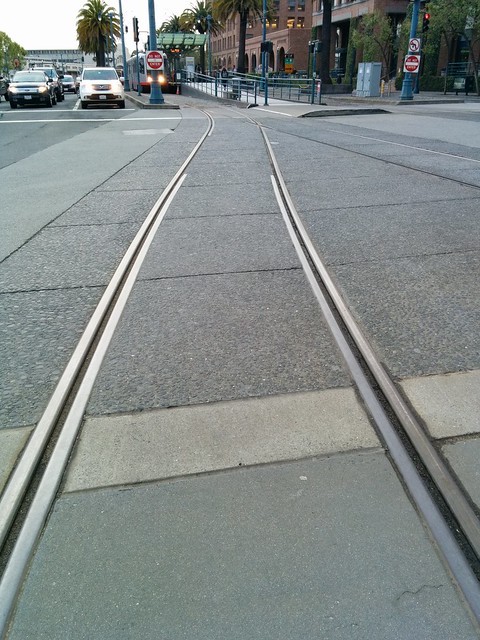
Avoid riding parallel to train tracks - In San Francisco, there are light rail and train tracks. Try to cross on 90 degree angles, don’t change angle while crossing the rail - go across then turn. Try to avoid riding parallel to the rails- your wheel can get stuck.

San Francisco

Helmet is required by law for people under 18, and violation of this law can result in a $25 fine. But helmets are recommended for everyone including adults.

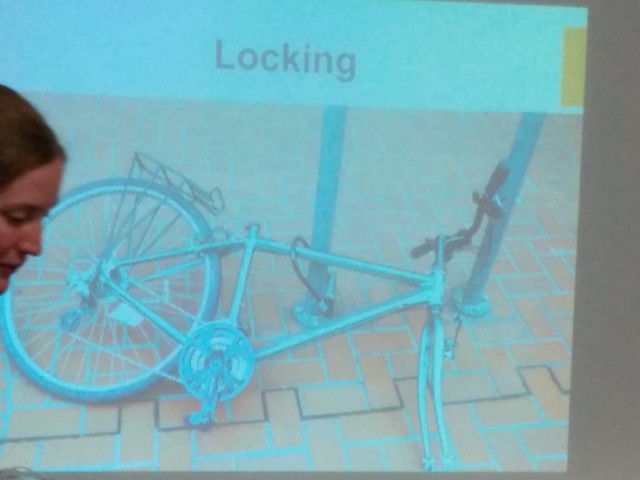
Buy the U Lock key, and lock your bike!!! There are lots of bike theft in San Francisco. This is how to lock your bike. Make sure you register your bicycle to the bike registry system.

SF Bicycle Coalition

In San Francisco, weather change a lot. Have layers of cloths, scarf is convenient.

Bike safely in SF!

SF Bicycle Coalition

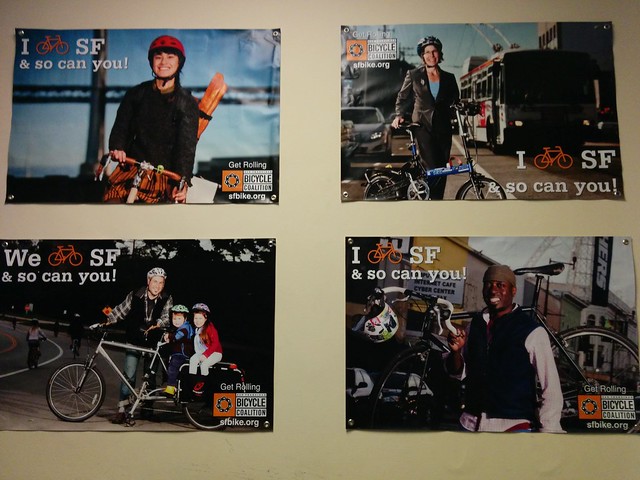
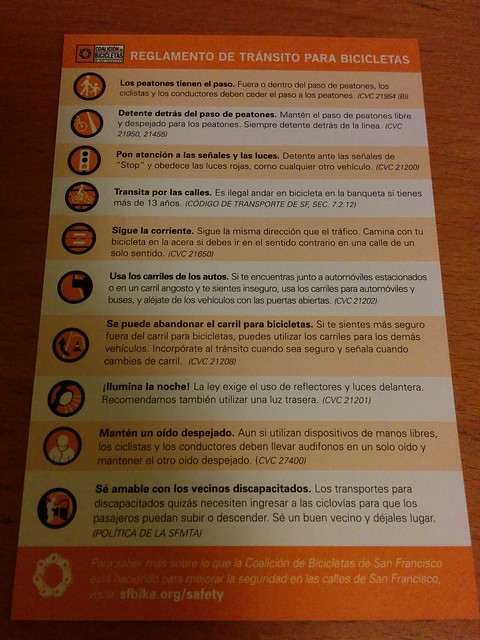
BTW, they had the road rules in Chinese and Spanish as well.

SF Bicycle Coalition


SF Bicycle Coalition

Disclaimer: The opinions expressed here are my own, and do not reflect those of my employer. -Fumi Yamazaki
2014年4月21日月曜日

NoiseHack and making NoiseJar

This weekend I joined an event called NoiseHack and made a NoiseJar!

This is the NoiseJar I made :D


NoiseHack event:

Stanley Lunetta, inventor in the 1970's of the logic-based Lunetta Synthesizer, gave us a demo of his Suitcase Sound Gun and his cube.


Demo of Suitcase Sound Gun


Demo of the Cube


Inside the cube looks like this


Chatting after the speech.


Stanley's Website:
http://moosack.net

Demo of NoiseJar


I decided to join their workshop and make a NoiseJar!


Materials for NoiseJar.


First you take the chip and place it on the breadboard.


The chip we used was HEF40106, and you can see the schematics here.

Connecting the condenser, power case, light sensor, LED etc.


We used this jumper to connect light sensors and LEDs so that we don't have to solder.


Testing- connecting the output to speaker and by changing the amount of light transmitted to the sensor, we can control the noise.


Doing the same for the second set of condenser, light sensor, and LED.


Connecting the audio output material.


Everything contained in the jar. (Made a hole on the jar so that the audio output can go through the hole)


Attaching the switch.


It would be great if we can have speakers on it. (No, we did not do this, this time.)


NoiseJar demo using stand light.


Demo of Skatchplate - noise project using combs.


Results from their workshop


NoiseBridge Tour

Some more photos from the NoiseBridge tour.

3D printer


Book scanner


Laser cutter


Sewing machine


Another sewing machine that can be controlled by a gameboy!


Lots of computers for folks to open and play around to learn how the computer works.


Lots of parts


wifi


Oscilloscope


I think this is the tool to solder from both sides so that you can do surface mount soldering but I can be wrong.


Library


Woodwork / Metalwork room


Dark room & Optic lab


Church / classroom


Kitchen - food hacking!


Thank you to John for teaching us how to make the NoiseJar!

Disclaimer: The opinions expressed here are my own, and do not reflect those of my employer. -Fumi Yamazaki
2014年4月13日日曜日

International SpaceApps Challenge

This weekend I joined the International SpaceApps Challenge, a hackathon initiated by NASA.

Official Website: https://2014.spaceappschallenge.org/
Collaborative wiki: https://spaceapps.hackpad.com/
SF Website: http://spaceappssf.weebly.com/

Welcome message from the International Space Station:


SpaceApps Welcome Video from ISS from Open Innovation Program at NASA on Vimeo.

This year, there are 5 themes for the challenge:
Technology in Space, Human Space Flight, Asteroids, Earth Watch and Robotics


In 2012, I joined and worked as volunteer staff to make the SpaceApps Challenge happen in Tokyo.
In 2013, I was traveling Switzerland so joined one in Lausanne.

This year, I joined one in San Francisco :) There was a team trying to track the orbit of satellites, a team working on Pebble app, etc.

This team is creating a rocket to fly to the moon.


Since I needed to leave early to prepare for our house warming party, I decided to work alone on looking at Earth Watch challenge- to visualize how the earth has changed, taking the data from NASA's satellite imageries.

Message from NASA:


"A Picture is worth a thousand words" is the name of the challenge.

Import satellite imagery from NASA’s Global Imagery Browse Services (GIBS) to show how Earth has changed in the last two years. Load the data into a mapping platform of your choice and add additional data or imagery, and keep your eyes peeled for insights, mashups, and any improvements that would help others create mashups. Combining information like this can put data into context to tell a compelling story or unearth an interesting insight.

Ultimately- what I wanted to do is already done with Google Earth Engine's time lapse feature - it walks you through satellite imagery of the globe from 1984 to 2012, you can fast forward, slow down, drill down to specific areas or watch the whole world.


Examples:

Drying of Aral Sea
Growth of Las Vegas
Amazon Deforestation
Dubai Coastal Expansion

I made this time lapse of town of Otsuchi, which was hit by the 2011 tsunami in Japan. The whole town has disappeared due to the tsunami.


By the way, making Earth Time Lapse is super easy- you just follow the instructions here, no coding is necessary.

Resources:
Global Imagery Browse Services (GIBS)
GIBS Available Imagery Products
GIBS API for Developers


Disclaimer: The opinions expressed here are my own, and do not reflect those of my employer. -Fumi Yamazaki
2014年4月8日火曜日

Code for Japan - Fellowship in Namie, Fukushima

Code for Japan is starting its first fellowship program in Namie, Fukushima.


Background information about the city:

Namie is a town in Futaba District, Fukushima Prefecture, Japan. The town was heavily damaged in the 2011 Tohoku earthquake, tsunami and the nuclear power plant accident, and the whole town (21,000 people) evacuated due to the radiation threat from the nuclear power plant, and they still cannot go back to their hometown after 3 years have passed.


Back in October 2012, my colleagues from Google and I visited the local government of Namie to discuss what we can do to help using technology.

The town was in diaspora, and in order to discuss with citizens evacuated in various places in Japan, they needed technology to discuss. "How about using Hangout? You can use it for free, and can log in from 10 different places." Local government is split and functioning in 3 different places, so they used Hangout to carry on their discussions and meetings.


Many people were not allowed to enter their hometown, and were asking to see the current state of their town. Therefore, through collaboration between the town and Google, we were able to drive Street View cars through Namie-machi to capture panoramic images of the abandoned city.

You can read the blog post here:
Imagery on Google Maps of Fukushima Exclusion Zone Town Namie-machi


When there is such disaster, I sometimes think technology is so useless. But at the same time, we find technology is so powerful and helpful and we can challenge things that were impossible otherwise.

Back in April 2011, less than one month after the disaster, their mayor Tamotsu Baba used YouTube to provide message to their citizens. TV stations will not broadcast all of the small town's mayors' messages. They will probably not show the full video of 5 minutes of all of the small towns. Mass media has the right to control the contents on TVs. But on the Internet, you have the right to control the contents.

If their citizens failed to see the news, there is no way to search on TV programs and watch it later. TV stations will not archive videos for you. But videos on the Internet can be viewed later if the citizens found out later that their mayor was trying to reach out to them.


"But what about the old people who can't use the Internet? What about the digital divide?" You may ask. That is exactly why the town of Namie is going to distribute tablets to every single household in collaboration with Code for Japan and its subsidiary Code for Namie.

"Can old people use tablets? I have heard many companies sent tablets to evacuation centers in Tohoku and they were never used." That is exactly why they are trying to get the fellows in Namie, and build apps from the user standpoint. In fact, when I visited the temporary housing of the evacuees in Otsuchi, I talked with an old man. He had a feature phone, and he said he only uses it to talk (voice), e-mail and look at the website of his town. He uses voice and e-mail because it is easy, never watches websites because it is small and hard for him, but looks at his hometown's website because otherwise he will miss the information. When he was in the evacuation shelter, he watched YouTube with other kids and evacuees and because the screens of tablets are bigger he enjoyed watching them.

What will happen at Code for Namie?

1. Town of Namie is planning to distribute tablets to their citizens. Code for Namie will support building apps and run various workshops to help the citizens.
2. Send 3 engineers to work for Namie. The team will support the distribution of the tablets, build communication platforms to connect the citizens who have evacuated all over Japan.
3. Build the local community "Code for Namie".

Saying "We're starting Code for All fellowship in Japan" is not as simple as it sounds, because what we are tackling is not a city that has their own citizens in their town- they are all evacuees. The town that we are trying to work with is a victim of 3 disasters that each left tragedy to the town- earthquake broke buildings, tsunami washed away part of the town, and due to nuclear power plant accident the whole town is polluted with radiation. They have budget of 290 million yen (approximately 2.9 million USD as of 4/7 2014), including the cost of tablet that will be distributed to all of the 10,000 households.

"Why now?" Initially, the town was planning to aim to return all of their citizens back to Namie, but according to a survey the number of people wanting to come back to the hometown is decreasing. If we don't build the community and rebuild the connection between the citizens now, the town is in jeopardy of being lost.

Press release by Code for Japan
For the First Time Ever – “Code for Japan”To Start a Private Engineer Dispatch Program to Local Governments 
-Supporting the tablet device distribution project in Namie-town, Fukushima Prefecture, to rebuild the bonds of residents-


Disclaimer: The opinions expressed here are my own, and do not reflect those of my employer. -Fumi Yamazaki
2014年4月5日土曜日

Open Data Now!

Recently I hosted a TechTalk at Google by Joel Gurin, the author of Open Data Now, and the team published the video. Please check it out!


In Joel's own words:
Open Data Now looks at the incredible applications of the Open Data movement for the public and private sectors. Joel Gurin, a nationally recognized leader in consumer information and website development, has written the first comprehensive book on the emerging power of Open Data. He examines applications and trends for Big Data in the public and private sectors, among them:  
Academic Spring - a revolt pushing for scientific research to be made free and public;
Data-Driven Reporting -- the next Woodward & Bernstein will be crunching open data using new techniques;
Data Detectives - In the wake of the financial crisis, data will become more transparent and structured;
Wind Finders -- Weather data has helped wind energy companies build where wind patterns are optimal.  
"We can expect to see more businesses large and small grow by using Open Data; more high-value datasets released by government at all levels; more ways to analyze the data for market insights, brand management, and predicting tools; and more research of all kinds using open innovation." This is Open Data Now.  
About the Author: Joel Gurin (New York), as EVP of Consumers Union, launched and grew Consumer Reports' website, www.ConsumerReports.org; under his leadership it became the world's largest information-based paid-subscription site, with 3M+ subscribers. In December 2009, Gurin joined the Obama Administration as Chief of the Consumer and Governmental Affairs Bureau of the Federal Communications Commission. He served as Chair of the White House Task Force on Smart Disclosure, which studied how the government can provide Open Data to help consumers make choices in complex markets including health care, financial services, education, and energy.  
Currently he is a Senior Advisor at New York University's GovLab. They have launched The Open Data 500, a list of how freely available government data is being put to profitable use in the private sector.  
"In May 2013 the Obama Administration announced a new Open Data Policy that mandates the release of most federal data as usable open data going forward.... The Open Data 500 will provide the first comprehensive census of American companies using federal data and the results of a survey showing what datasets they are using and how."  
More about Gurin is at the link: http://thegovlab.org/understanding-open-data-with-joel-gurin/
Thanks again to Joel for coming to Google and giving a talk!

Disclaimer: The opinions expressed here are my own, and do not reflect those of my employer. -Fumi Yamazaki